Atelier Floris Andréa
After many years working as a photographer in Amsterdam,
I now live in the hills near Ceva in Piedmont,
where photography and wine slowly meet
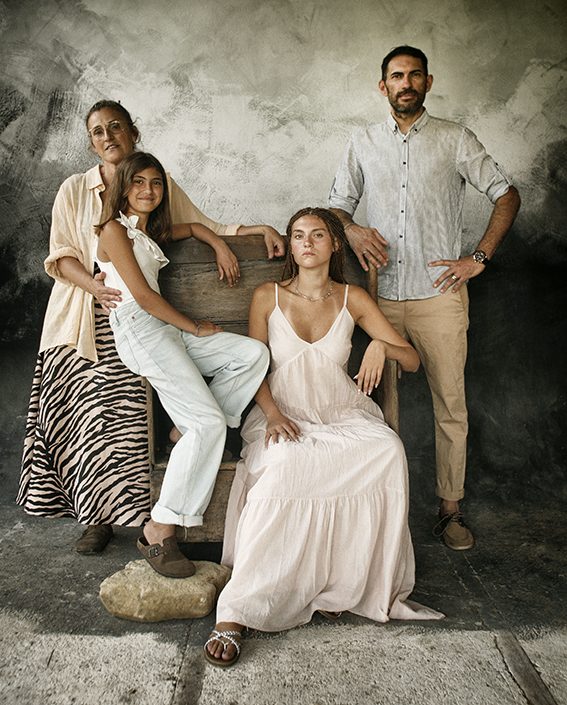
Ceva, Piemonte - In my daylight studio in the hayloft near our home, I enjoy creating commissioned portraits. By now, people know how to find me via the winding road through the forest. Elegantly dressed, people from all walks of life step out of their cars and, after a brief introduction, patiently take their place in front of my lens.
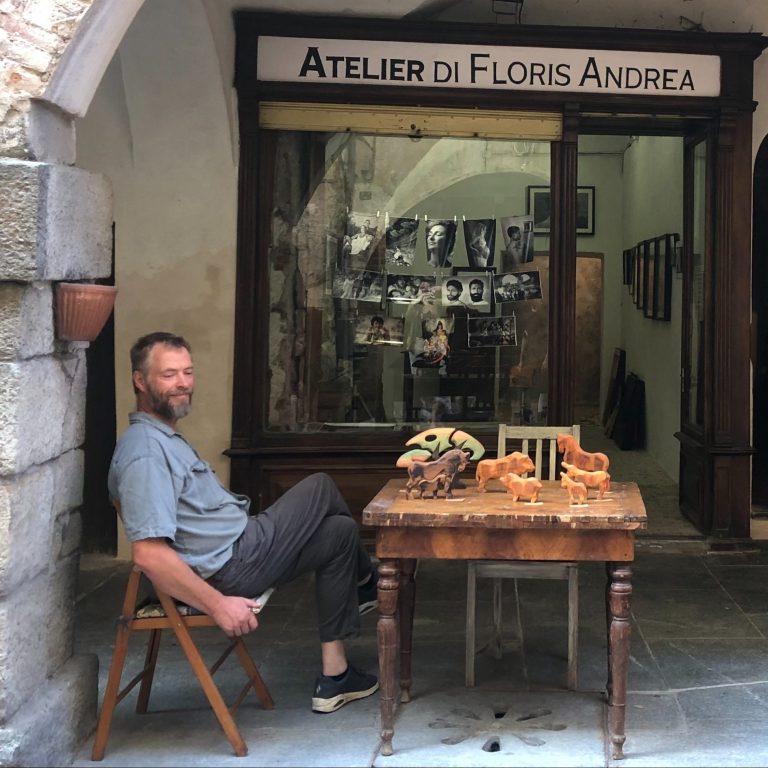
In the nearby town of Ceva, I have a kind of extension of my studio. Photography is permanently on display on the walls, portrait appointments are made, and wine is tasted. Thanks to its central location in the historic center, beneath the portici, it is always lively and welcoming.
Always welcome to visit me there
Atelier di Floris Andréa - Via Carlo Marenco 80
Phone - 0039 349 8221585
Via Carlo Marenco 80
Portraits in my light...
Photographers are always in search of “Vermeer’s window” when it comes to light. Because of the position of the house — and with it the stable and the hayloft above — I found my light here in Piedmont. What we once had to create with an enormous flashbox or umbrellas' in the photo studio of my mentor Paul Huf first and later in my own ateliers, was gifted to me here by nature itself.
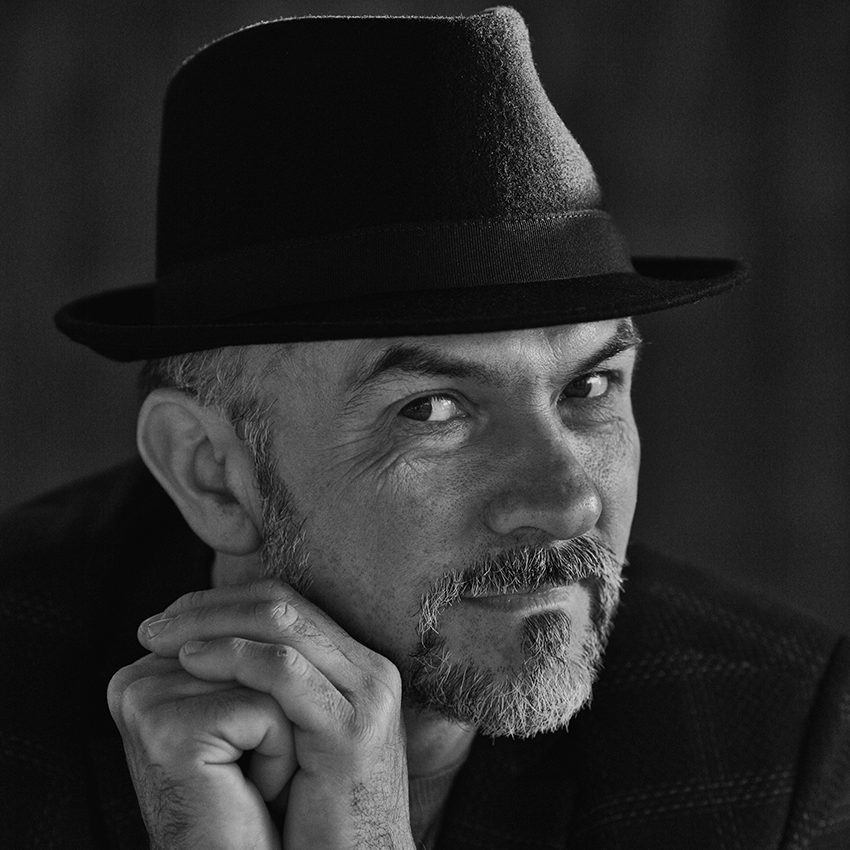
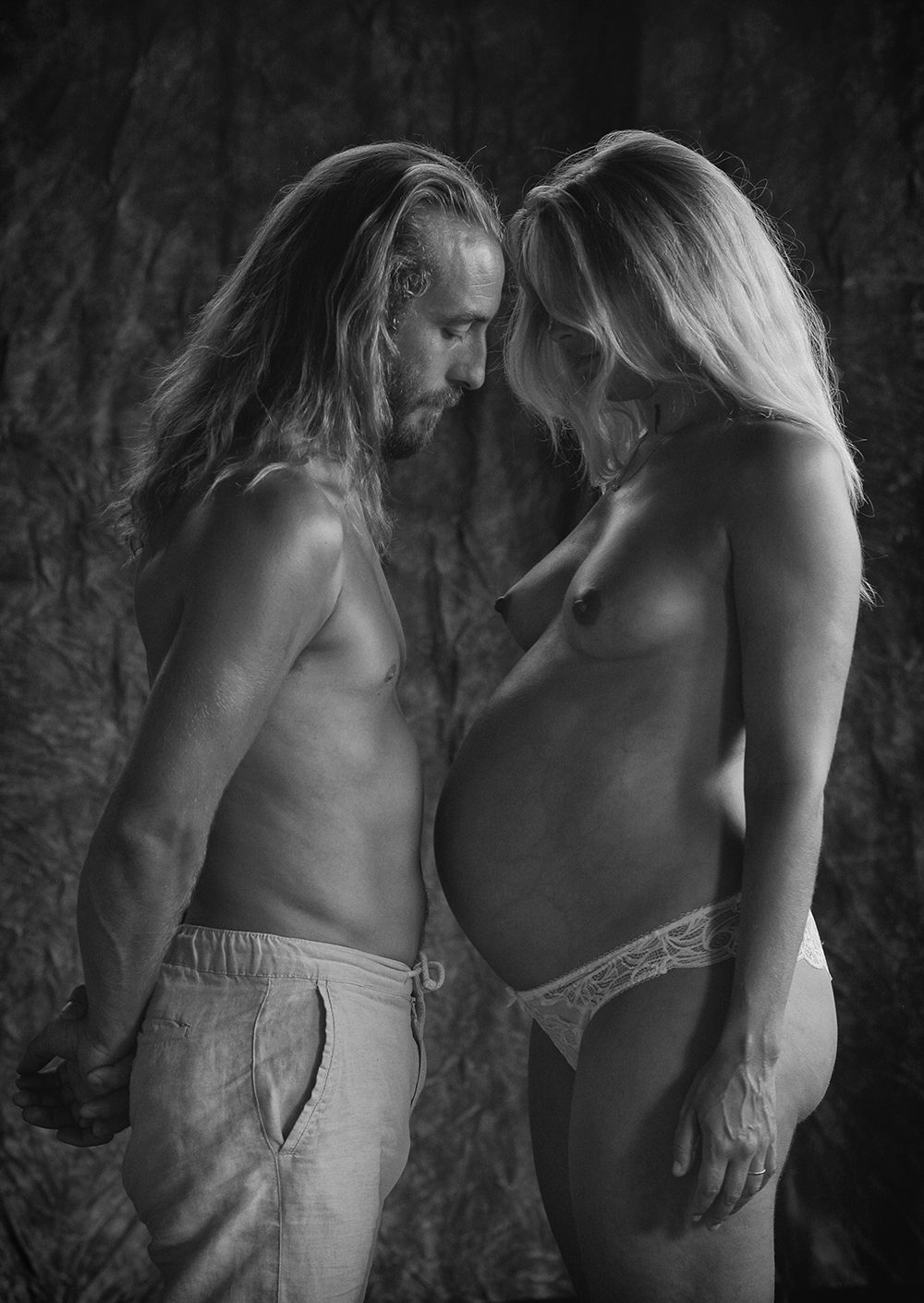
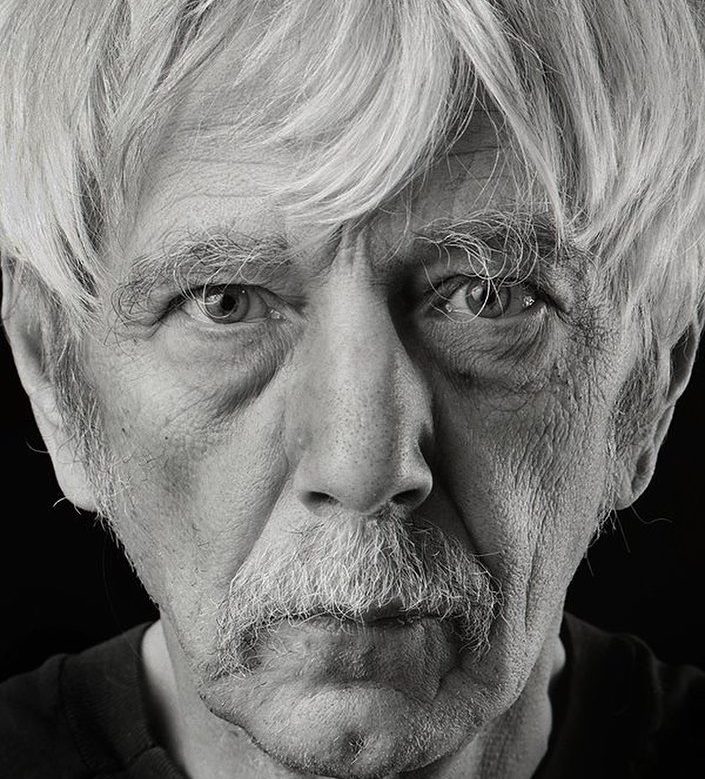
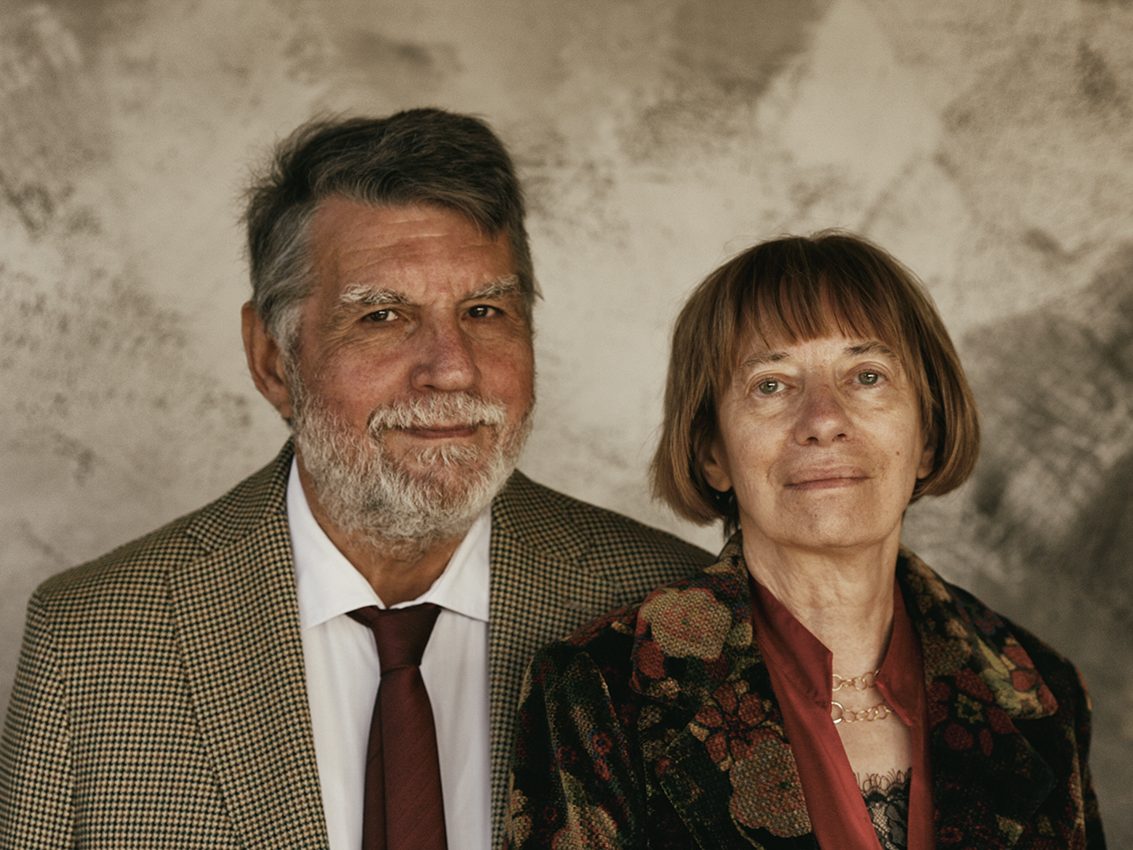
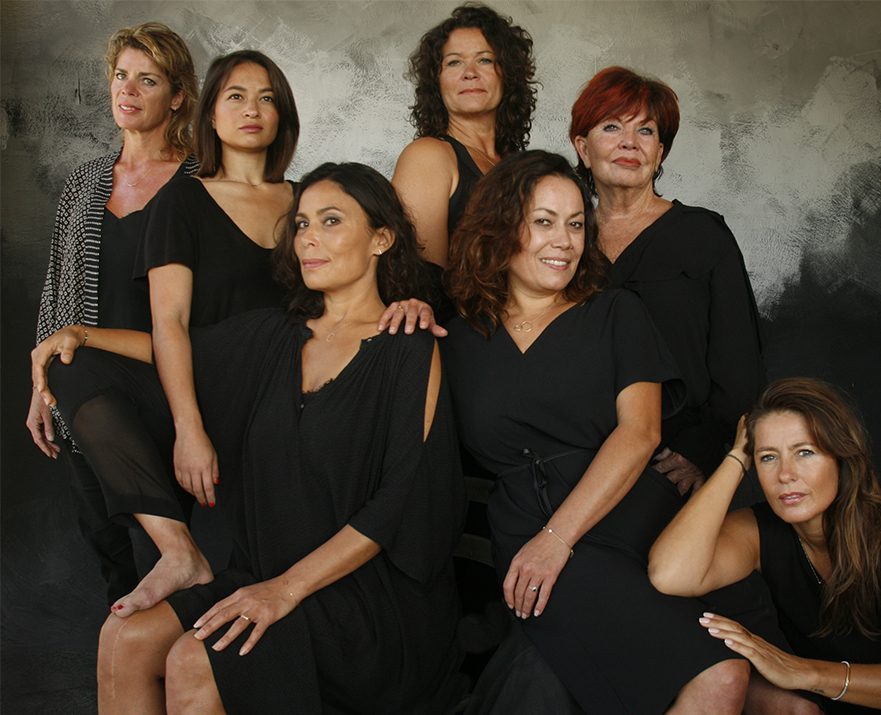
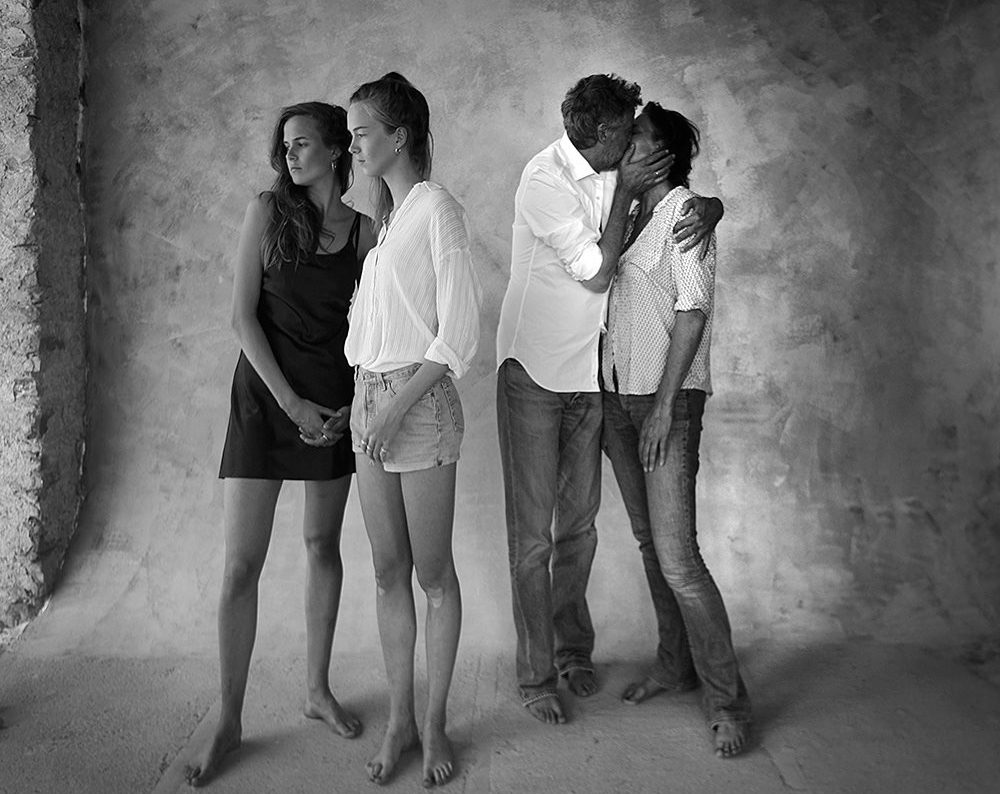
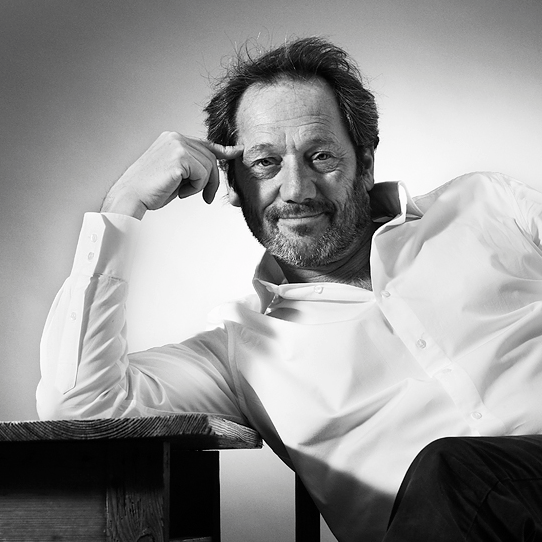
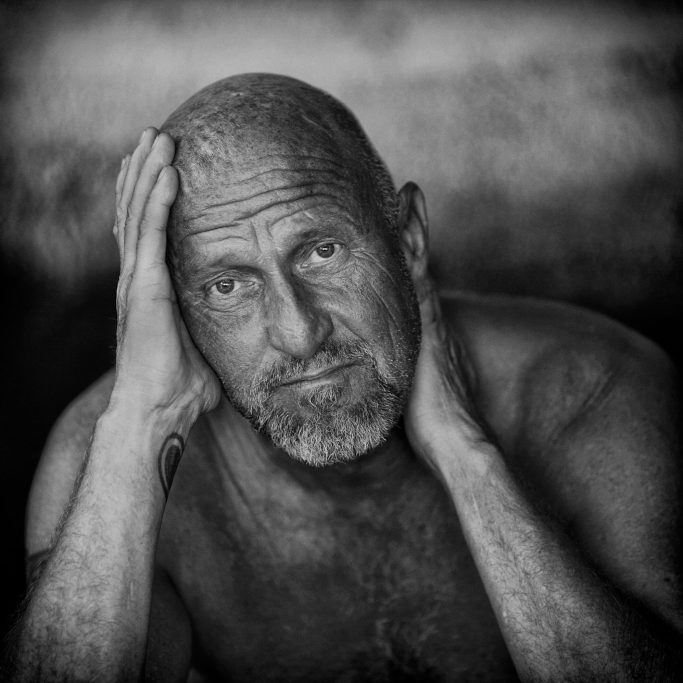
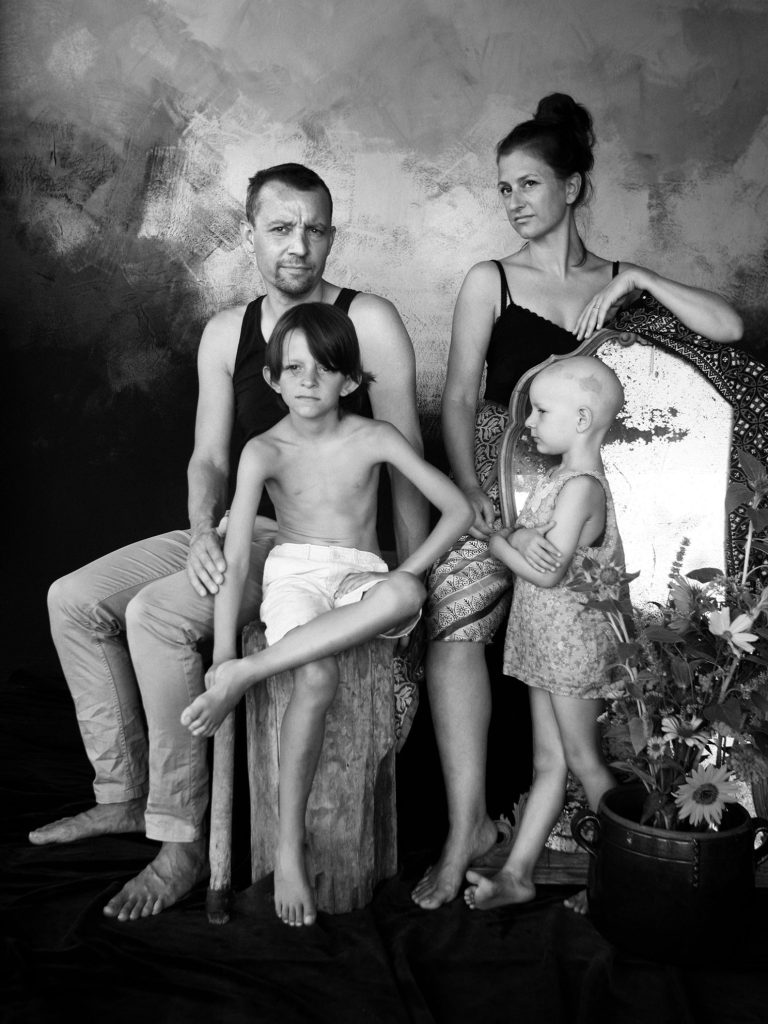
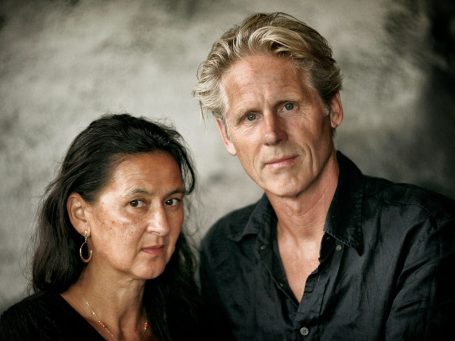
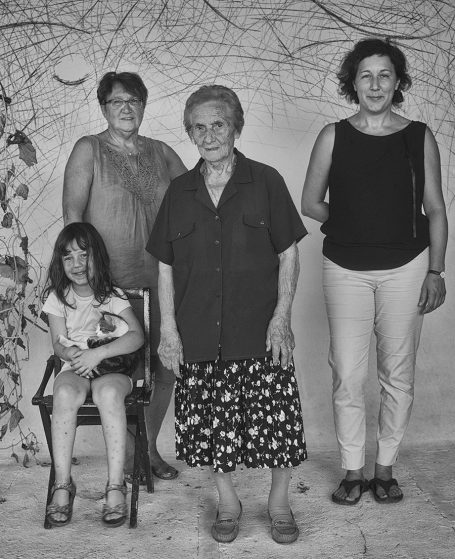
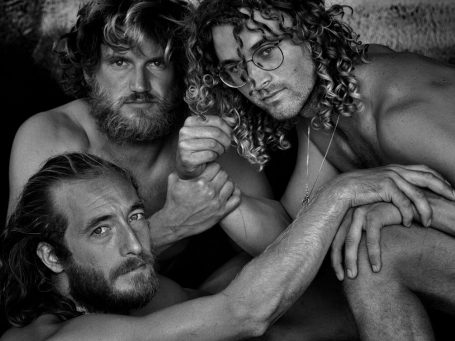
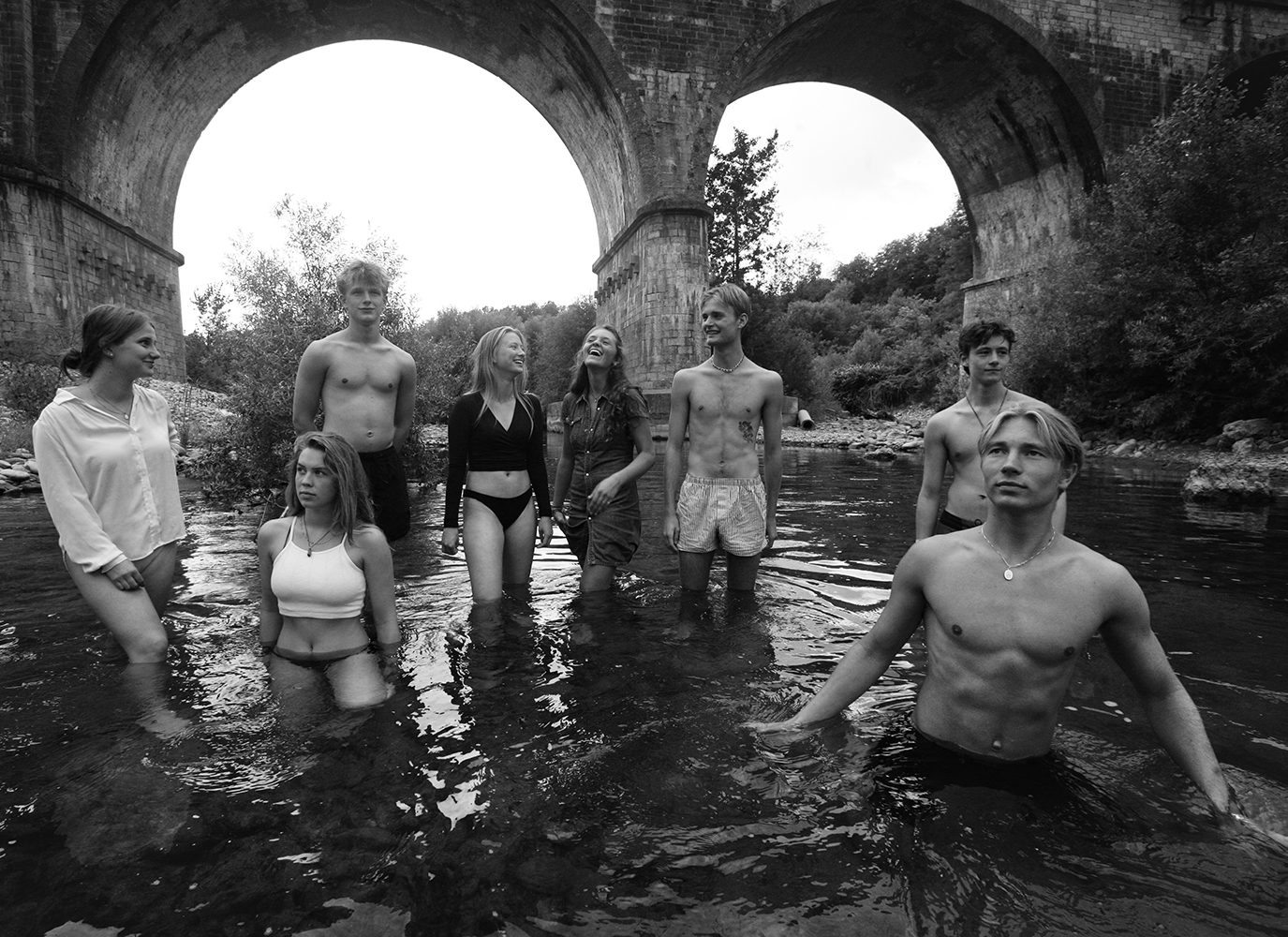
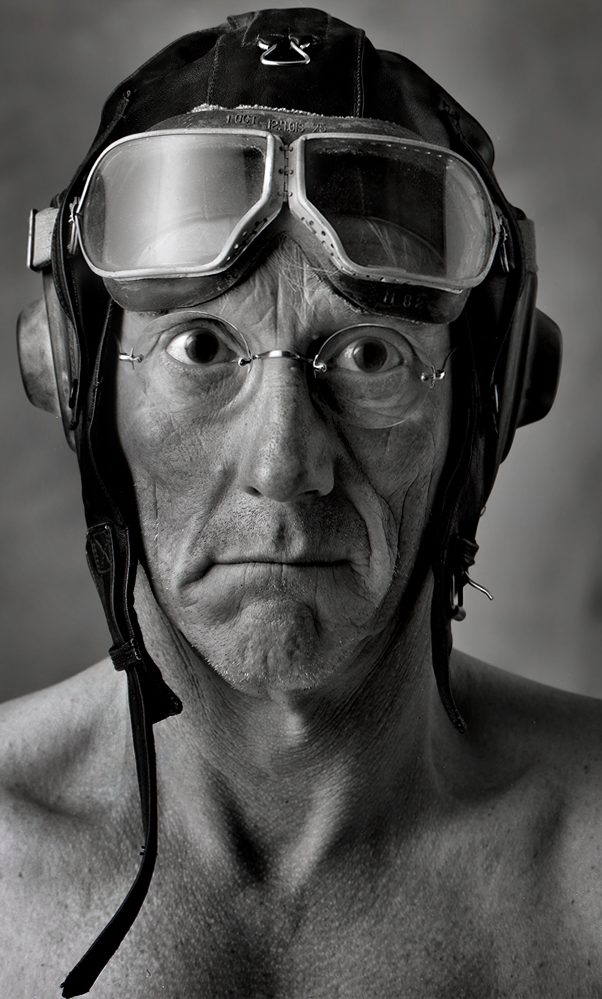
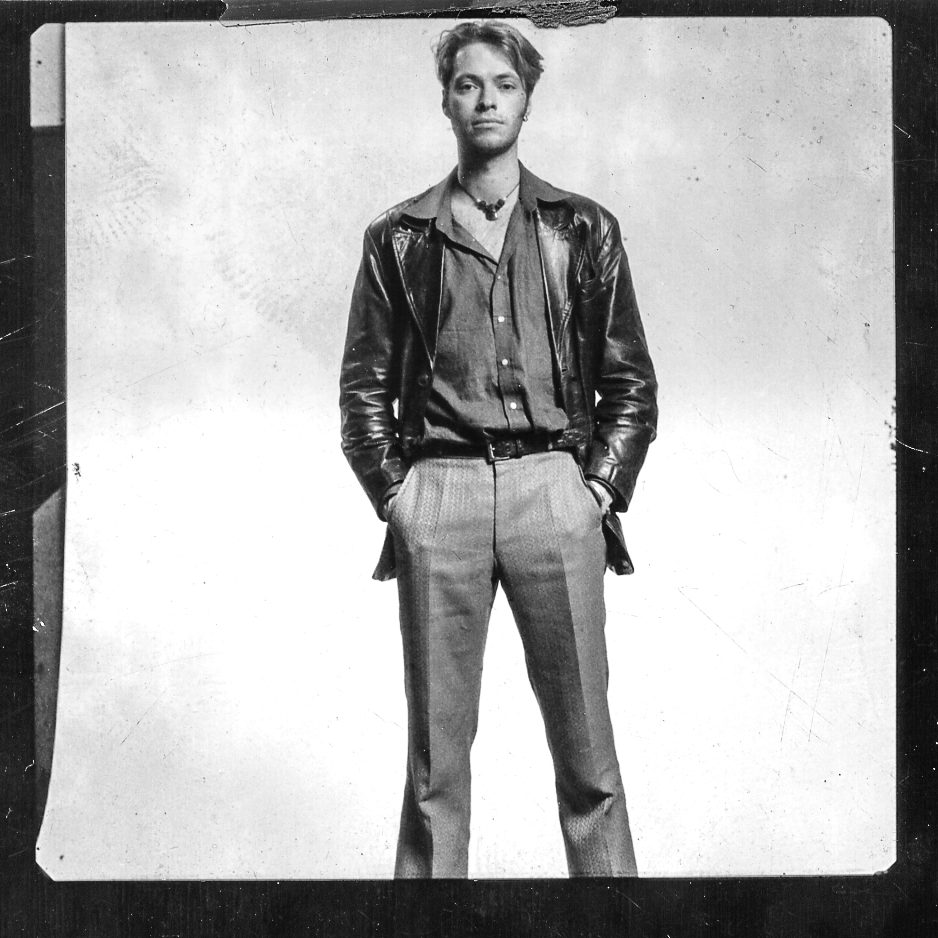
Portrait of the artist as a young man. Photo Paul Huf
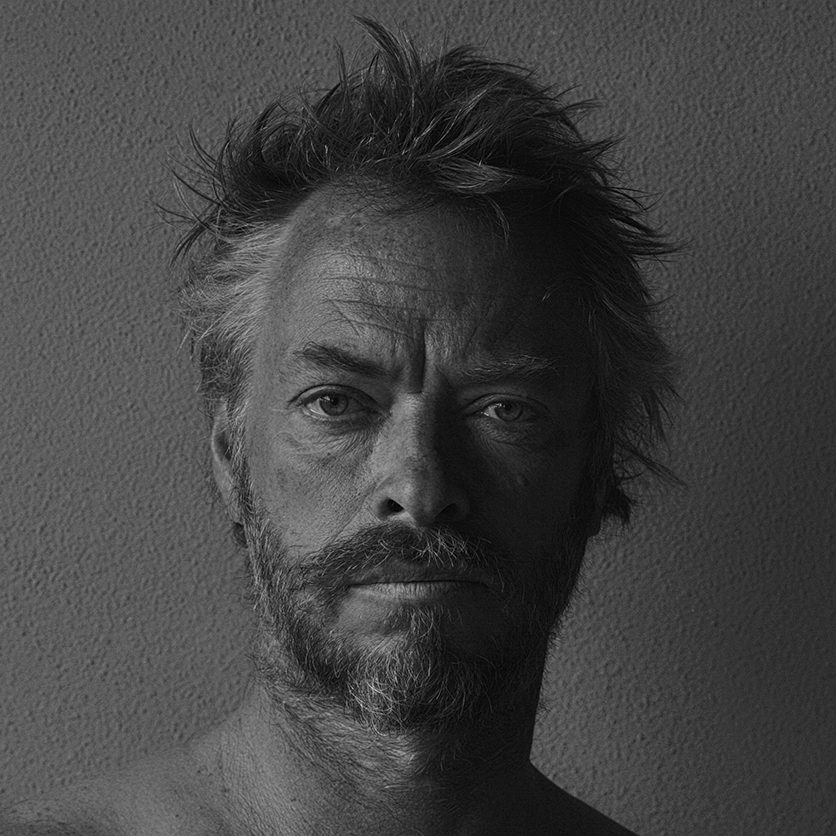
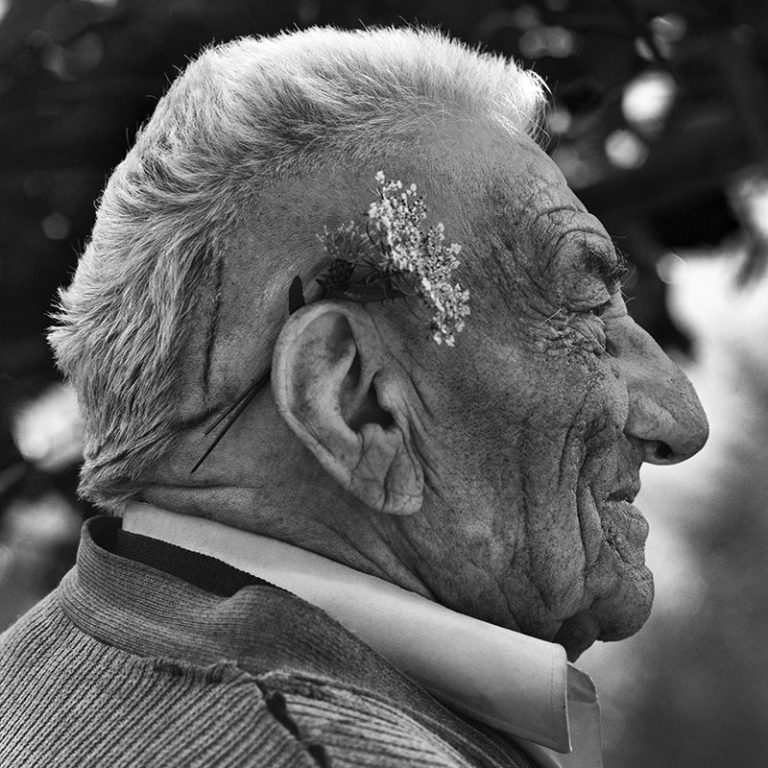
'In the years since, the face has arrived'
The text below accompanied a self-portrait in a small book I published in 2003. At the time I suspected that I did not yet have a face shaped by life. Looking at it now, I find the concern rather touching — time, it seems, has quietly taken care of the matter.
Sometimes I am the sitter myself. Looking into the lens, waiting for the moment the photographer allows the shutter to do its work. A moment a little like Russian roulette, fearing that I might briefly lose control and that my face will be preserved in a spasm.
There is perhaps no collaboration in which one can feel quite so useless; there is nothing one can really do, no effort to make.
Perhaps this is because I do not yet have a face — not a face I feel settled upon my head, marked by cuts, folds and scars, traces of misdeeds and occasional heroics. If I were supported by a setting composed of elements that came from myself, or accompanied by those dear to me, the act of posing would feel considerably less lonely.
Sitters (2003)
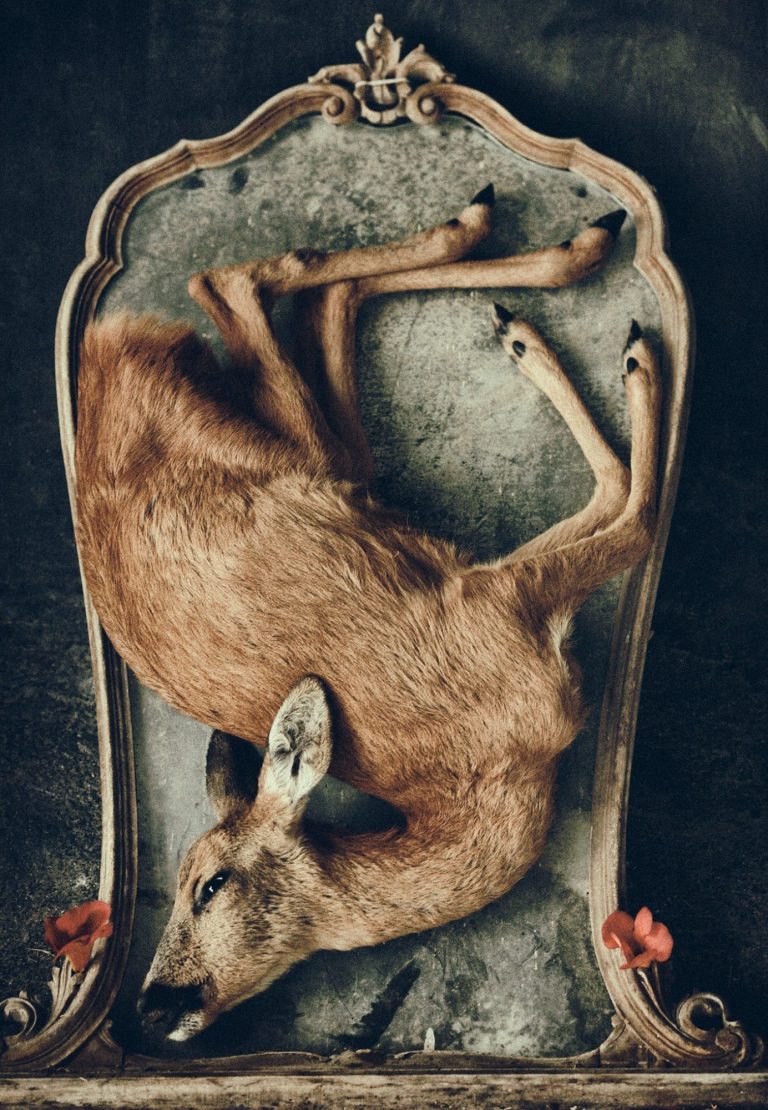
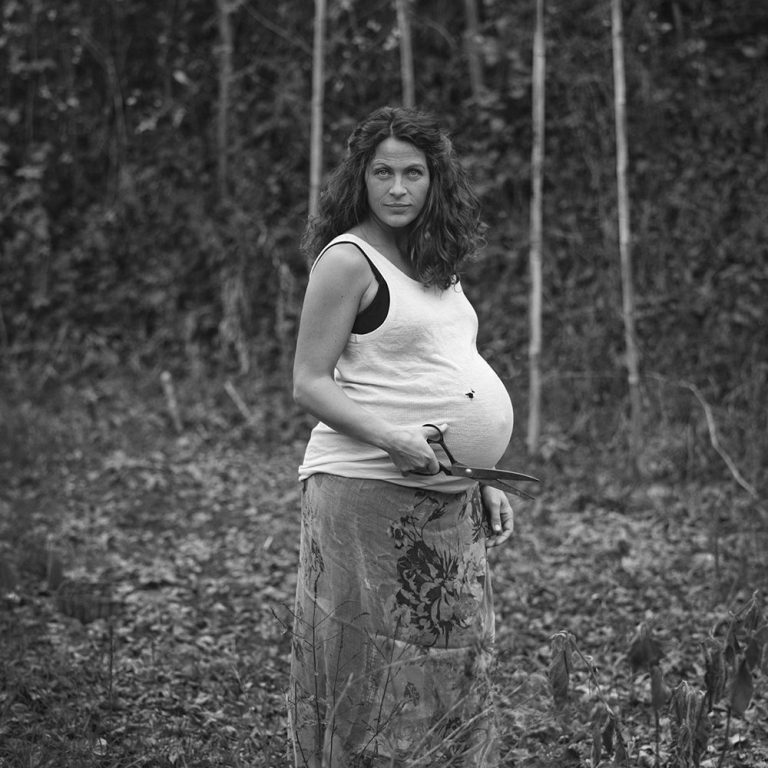
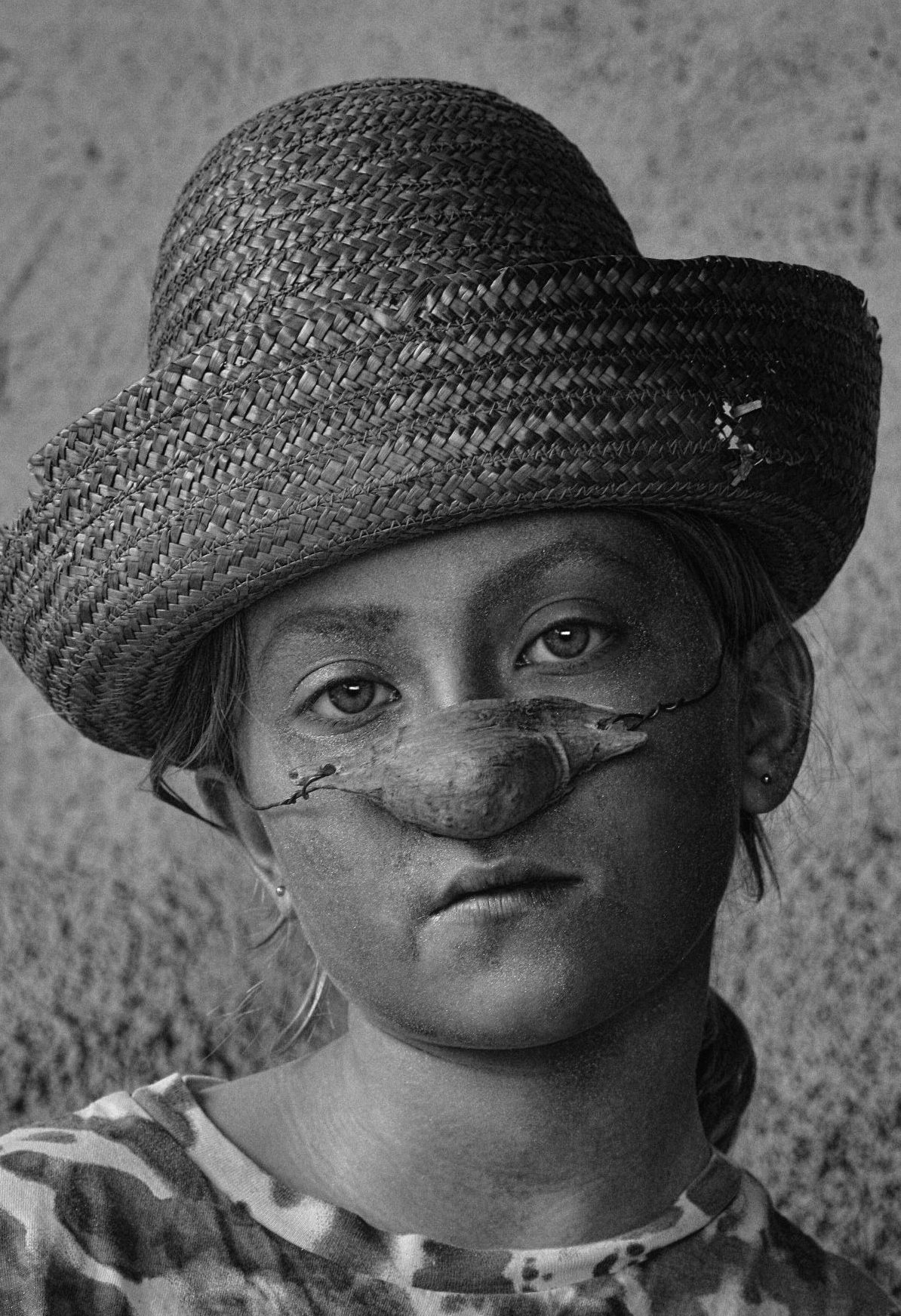
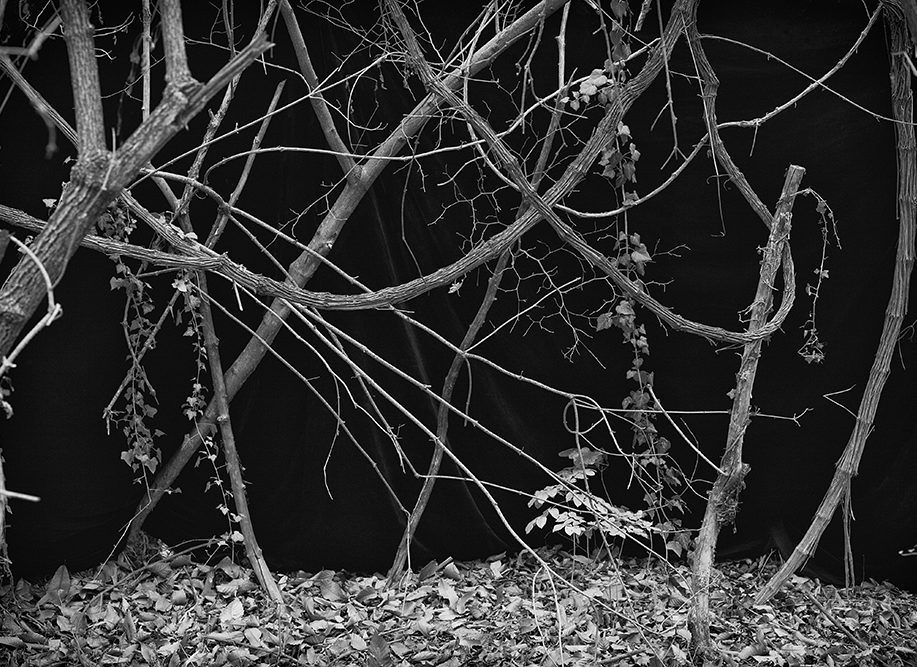
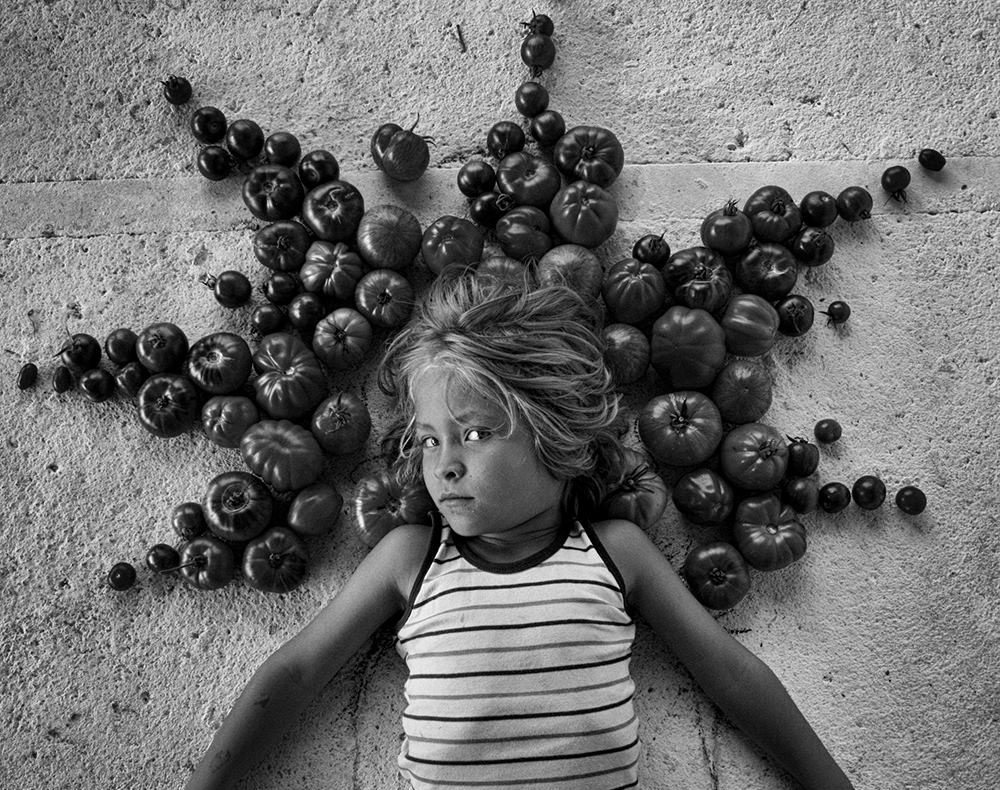
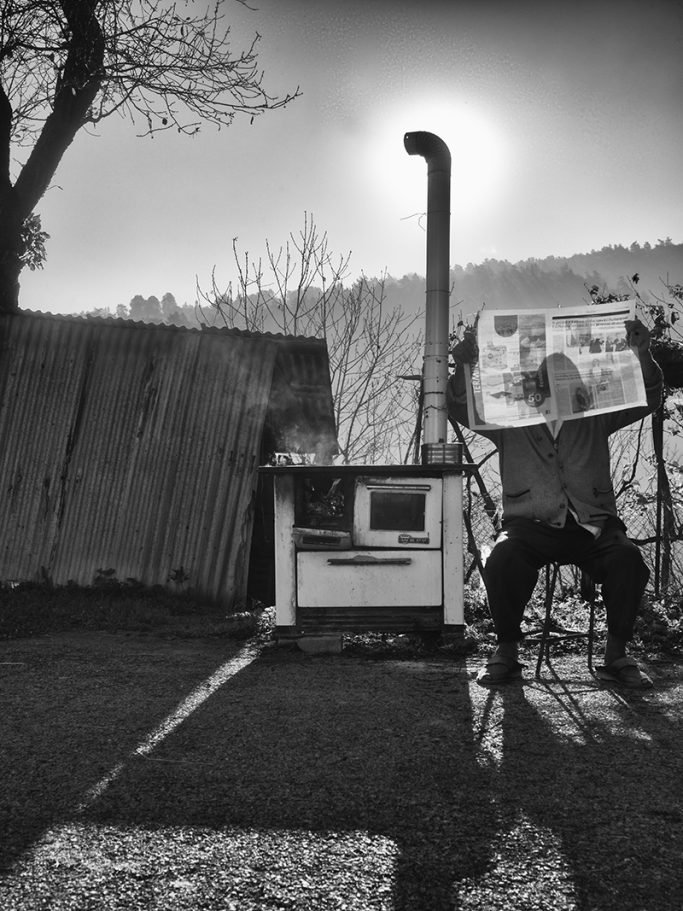
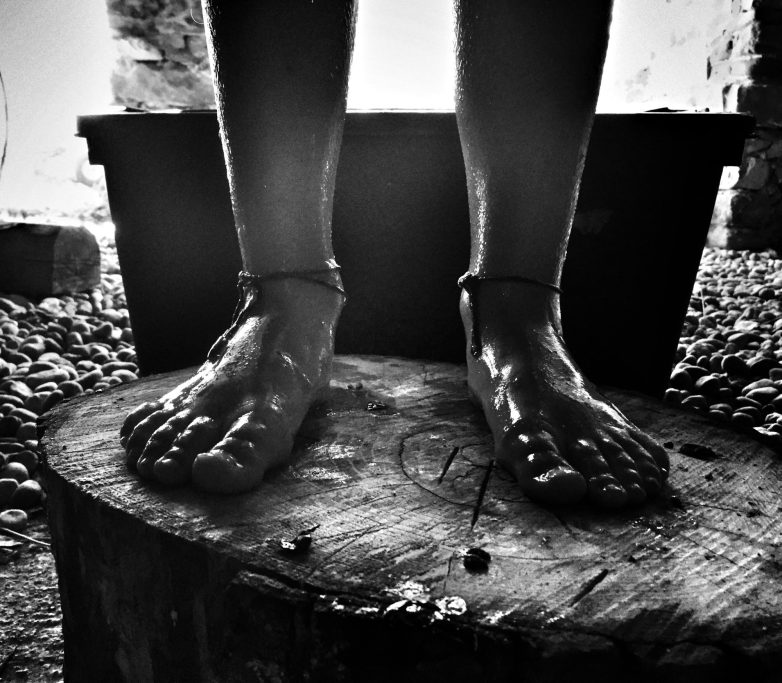
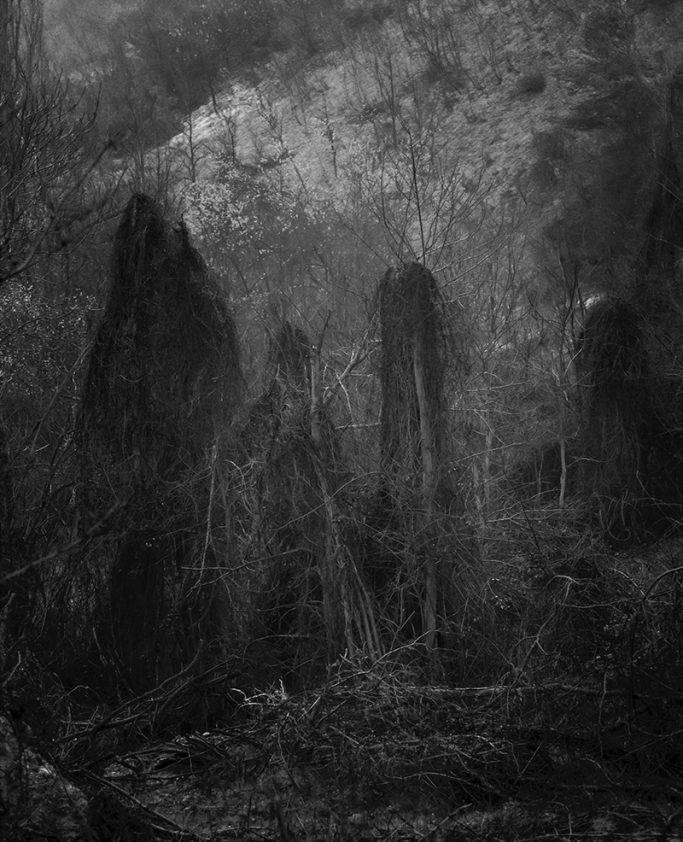
The earthlanding project
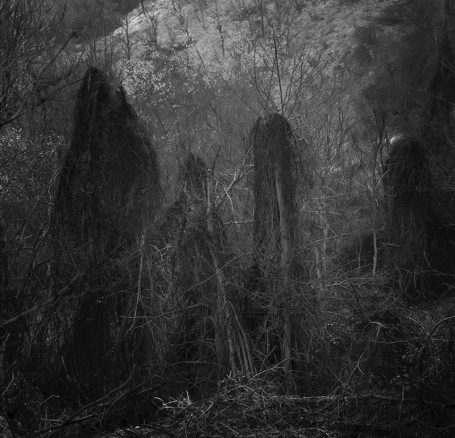
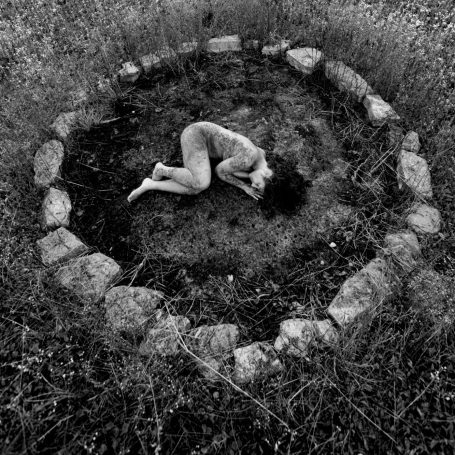
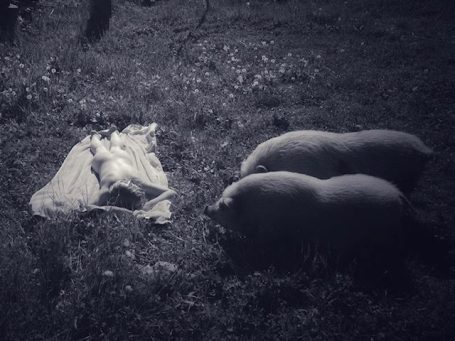
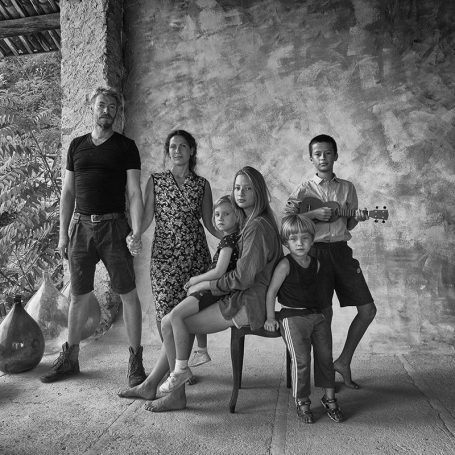
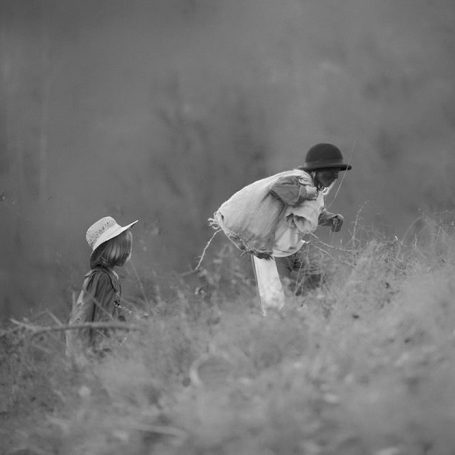
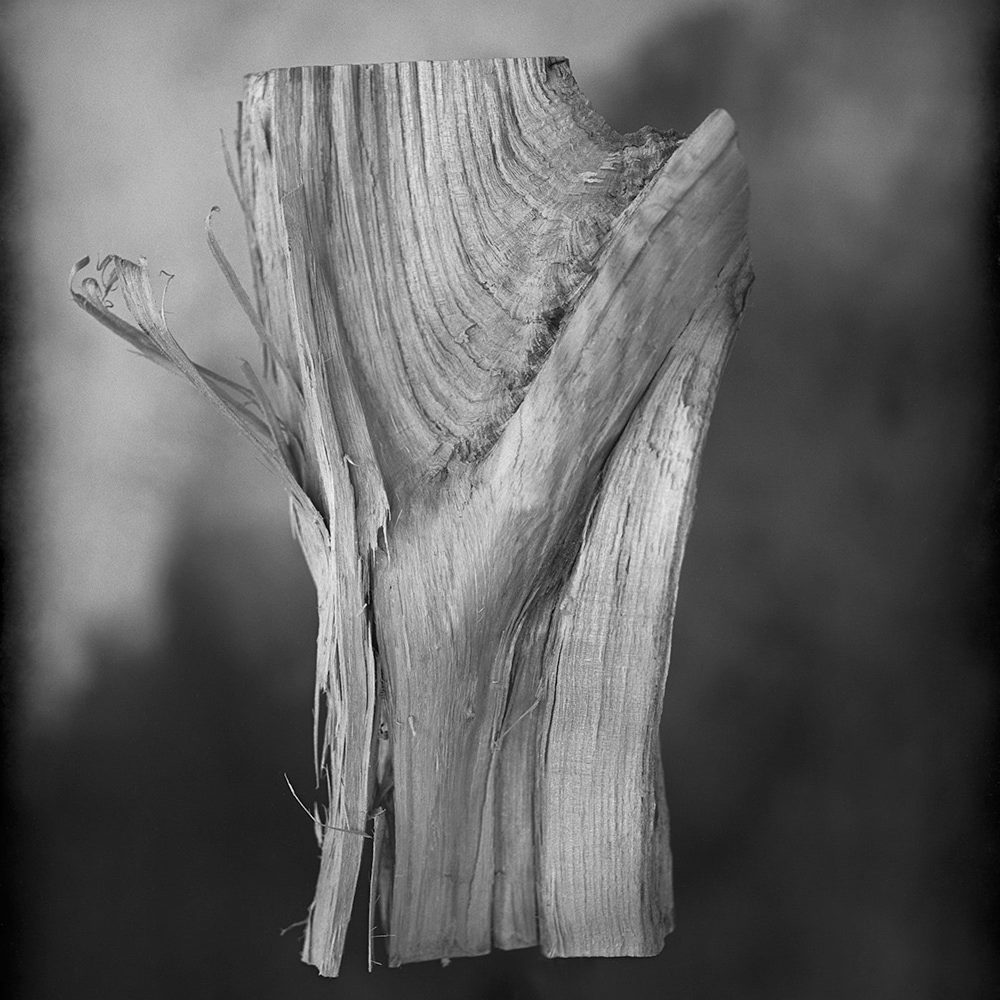
I began photographing in the 1990s, at a moment when photography was gaining recognition within the art world. In a small country like the Netherlands, academies and institutions successfully left their mark on the identity of this new art form. The Dutch style was characterized by a cool, conceptual, sometimes intellectual approach — evident in documentary portraits as well as in landscapes and other genres. Craft and emotion, let alone romanticism, were largely absent from the work. Almost nationwide, this school was followed and recognized far beyond our borders.
I struggled between this doctrine and my own impulses, which had little in common with it. Perhaps that is why I felt more at home with mentors who came from a different era in the evolution of photography. Paul Huf, for instance, pursued “beauty” — that was enough for him. His legacy reveals little about the maker himself. In his darkroom I learned to print glass negatives, simply because he had lived through a time when there was nothing else available.
The analog equipment we worked with back then was downright exhilarating. The magic was literally tangible and detectable by smell; I could no longer imagine a life without these props surrounding me.
I have always been a storyteller — through images as well. Emotion played an important role; I wanted my work to move people the way music does. But using photography as a vehicle for communicating intellectual concepts never truly worked for me. It was only after I moved to a mountain in Italy that I realized how irrelevant that approach really was.
At first, I was afraid I would suffer from a lack of themes, without the inspiration of the city of Amsterdam, where one literally wades through an existential battlefield.
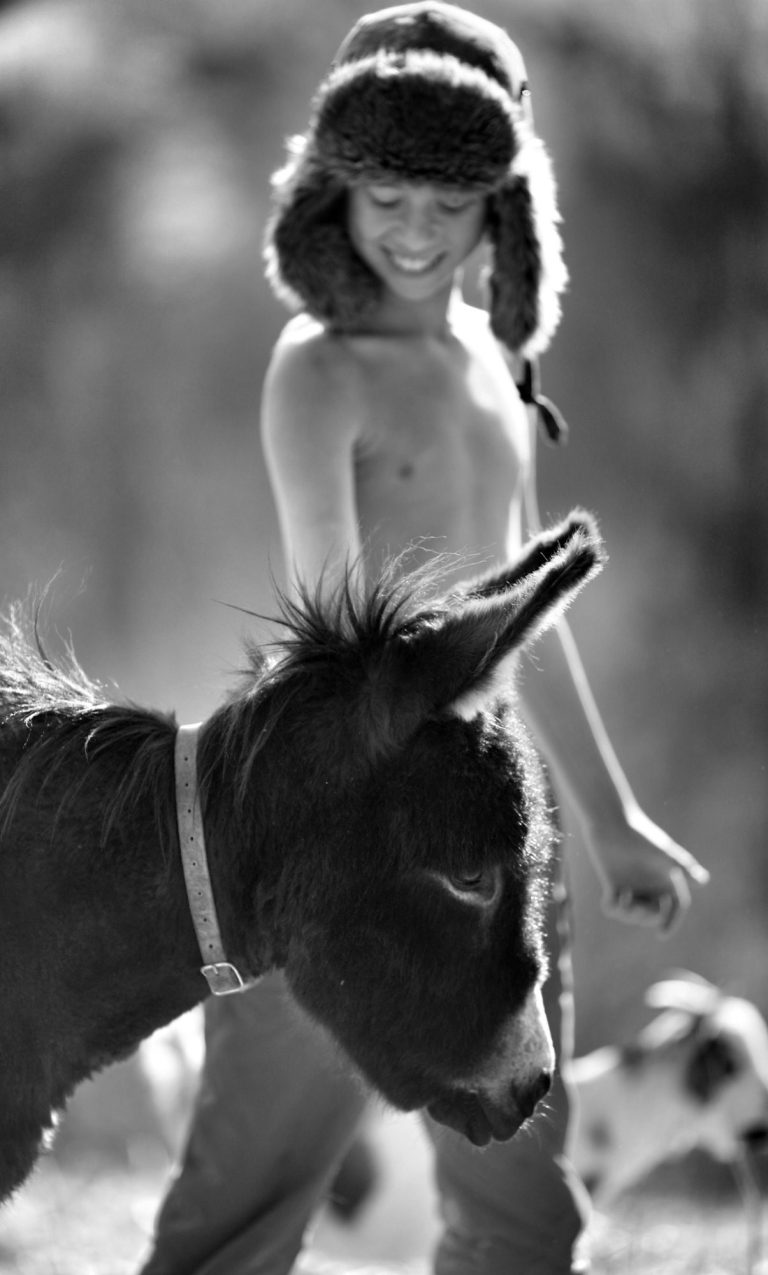
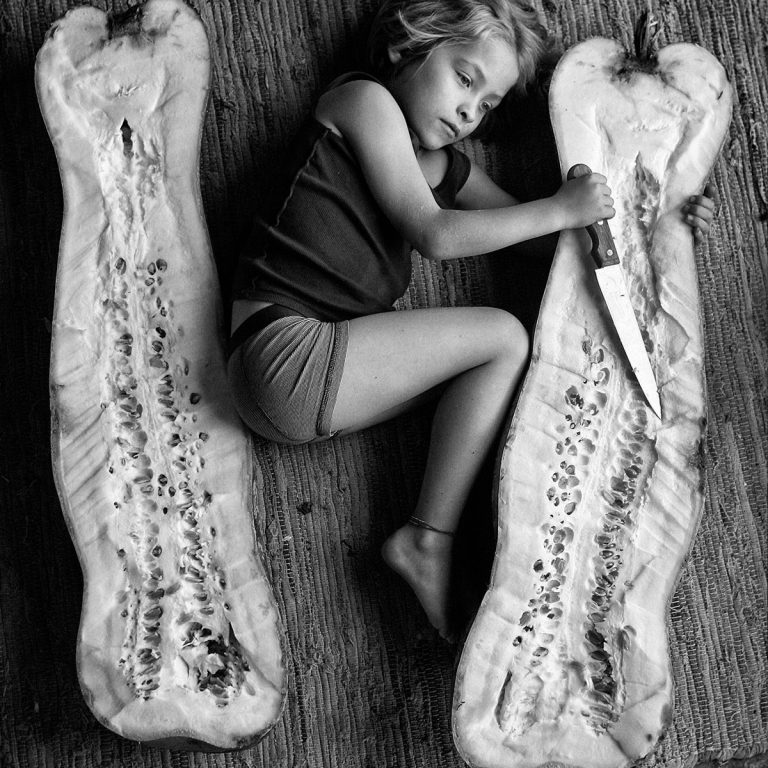
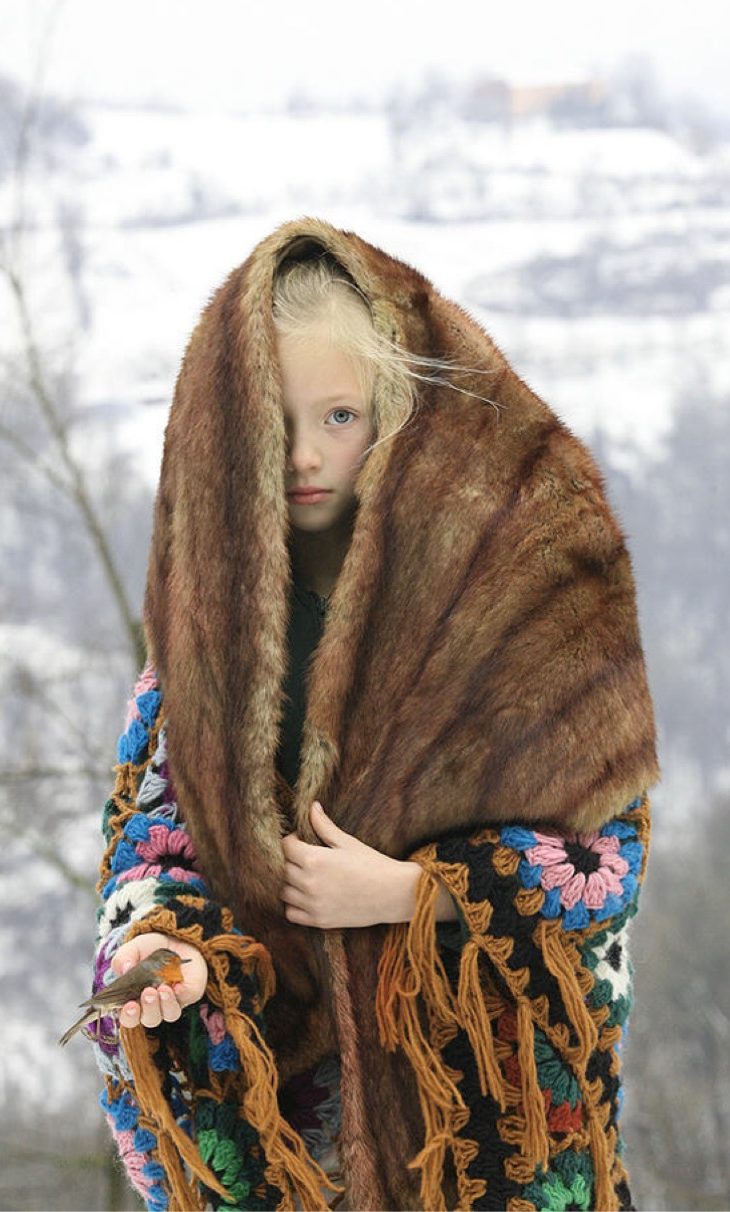
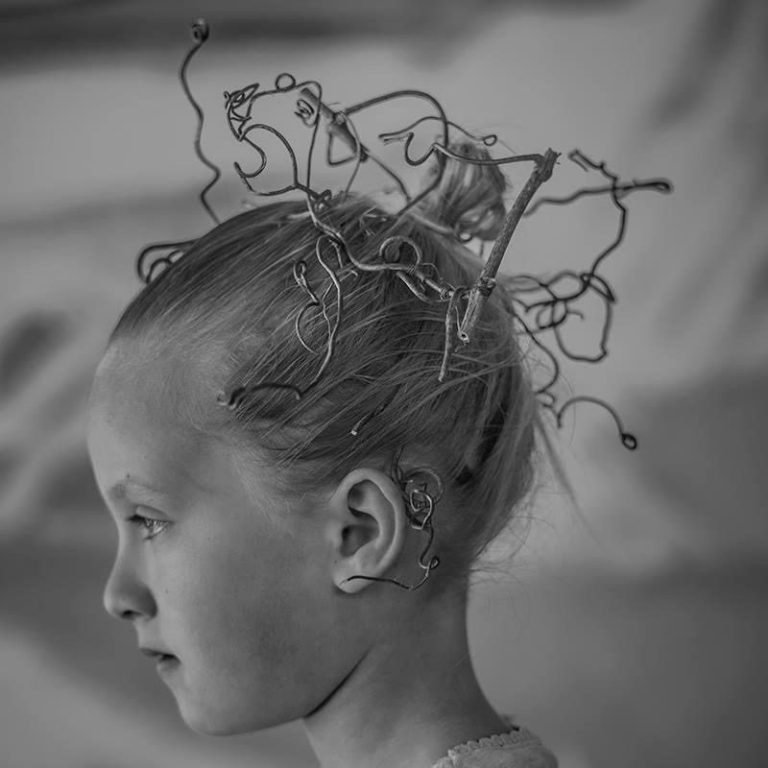
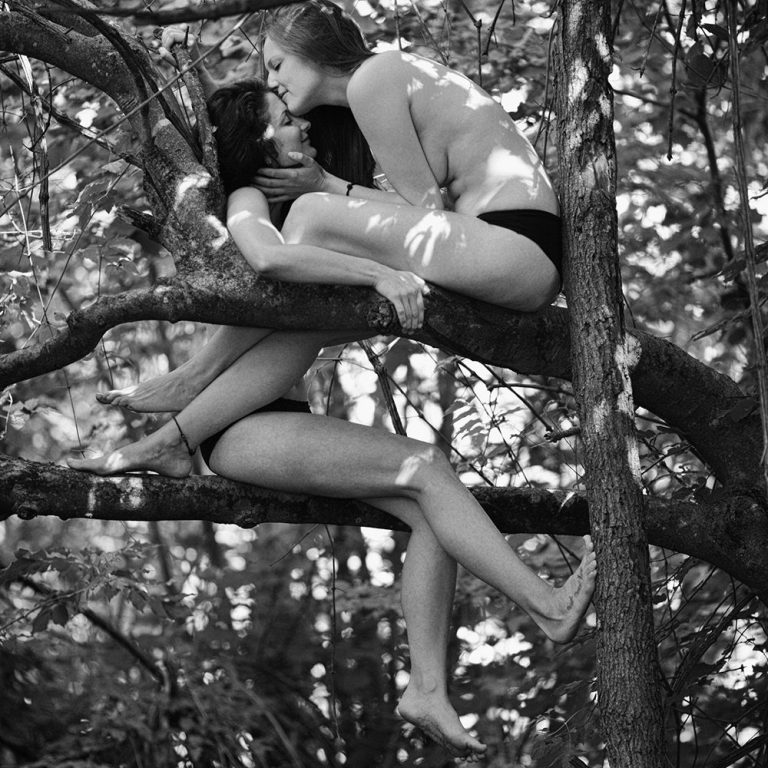
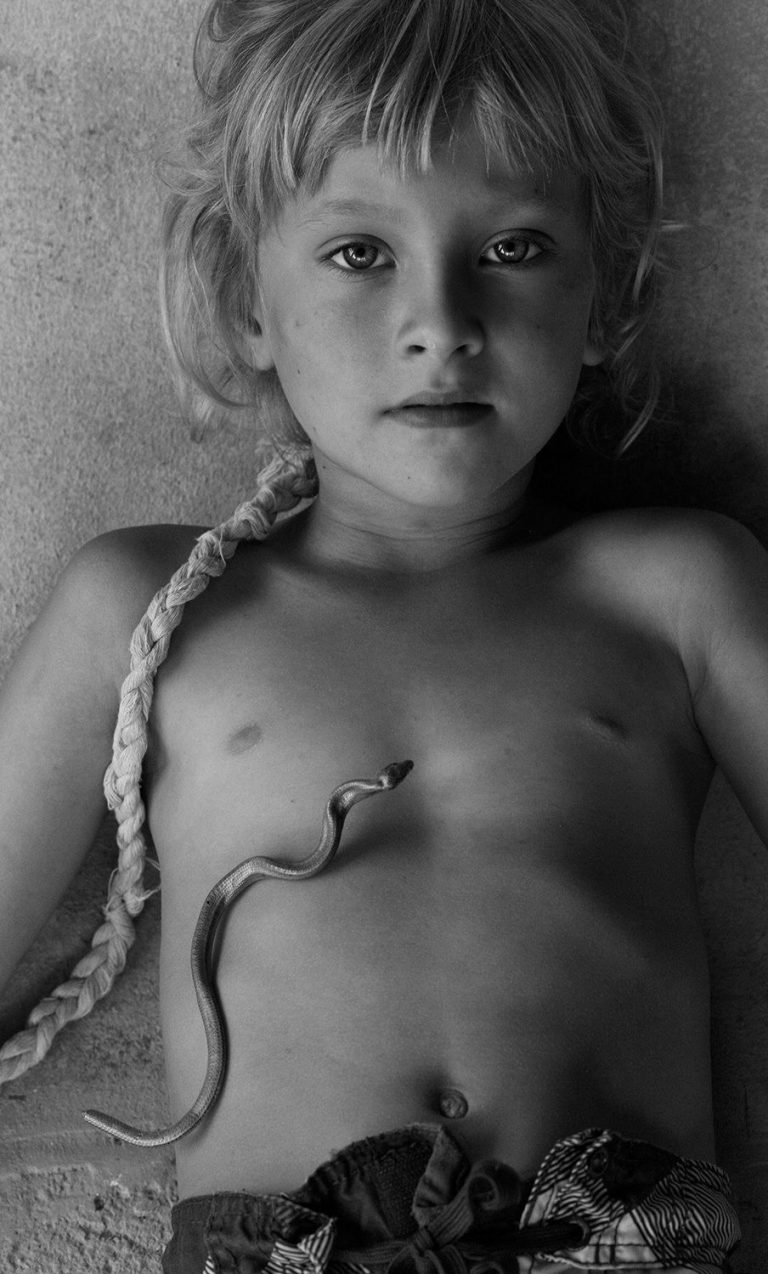
“Our domain,” a multifaceted landscape filled with secret places, turned out to be a generously flowing source of inspiration. The exploratory spirit of my children asked to be observed. All urgency revealed itself to be close at hand. I had landed — right in the middle of the essence of my own existence.