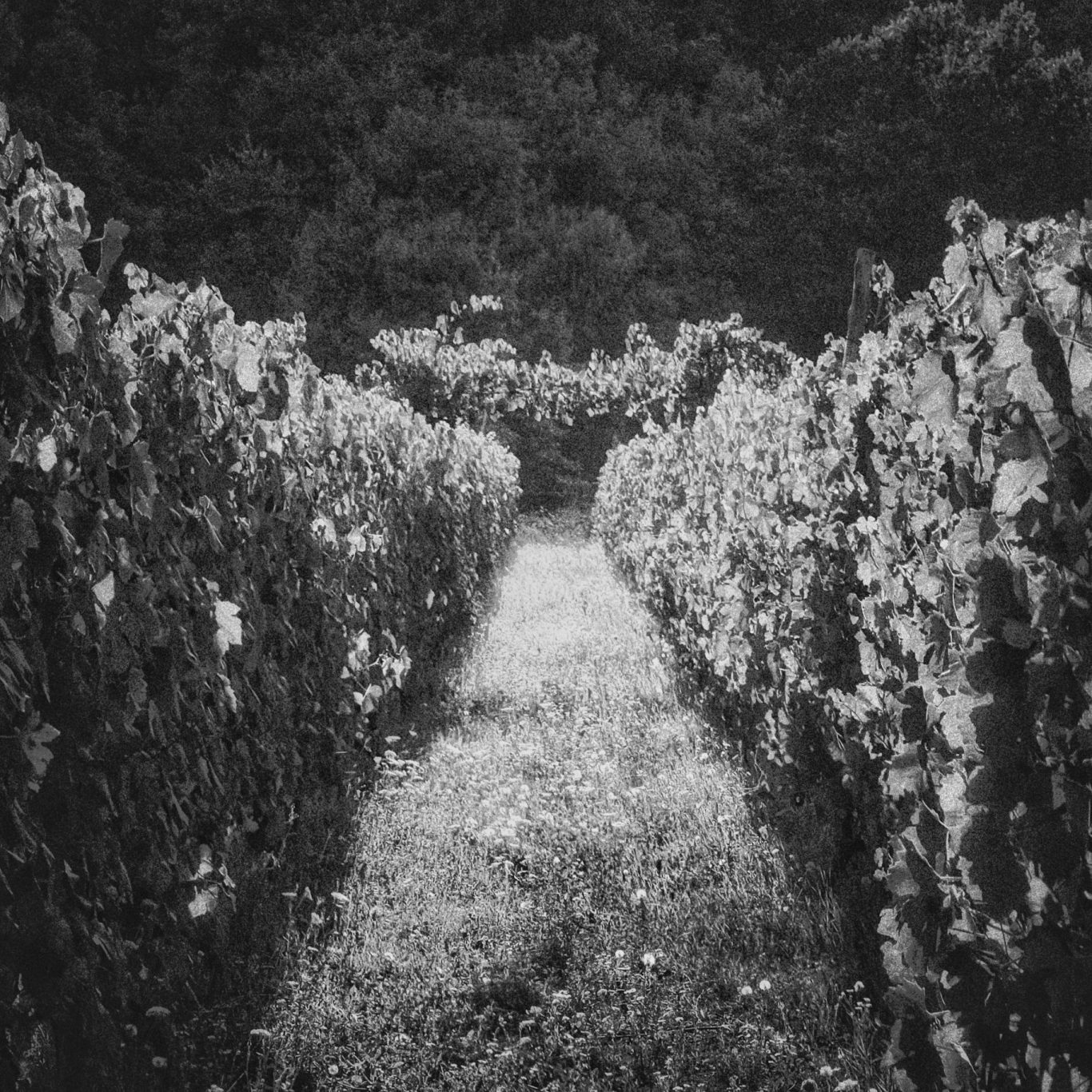
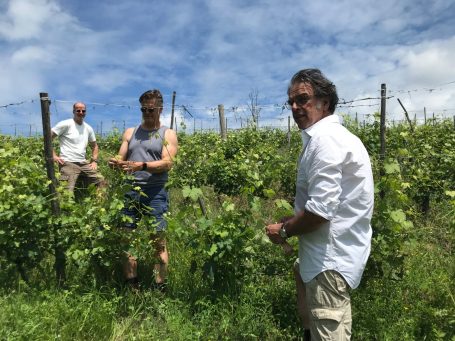
In the hills near Ceva I also tend a small Barbera vineyard.
The wine is made in the same spirit as the photographs:
Slowly, attentively and with as little intervention as possible.
Wine making as natural as possible
To let the true quality of our grapes shine through, we treat them as naturally as possible — without chemicals, and without interventions such as filtration or the use of yeasts other than those naturally present on our own grapes. The wine you taste is therefore the result of the sun, the soil, and the care and love of its maker.
With “natural” comes as little sulphur as possible.
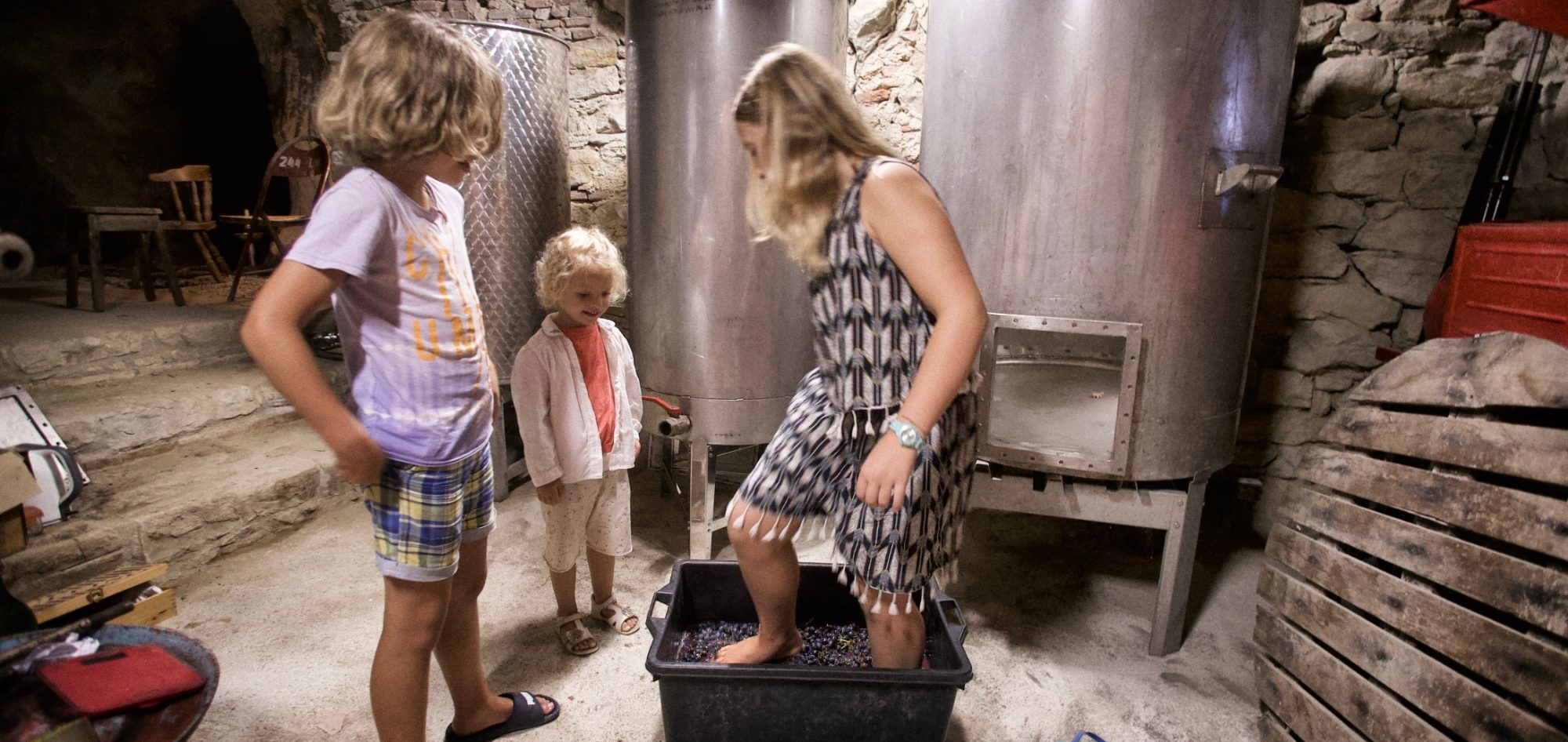
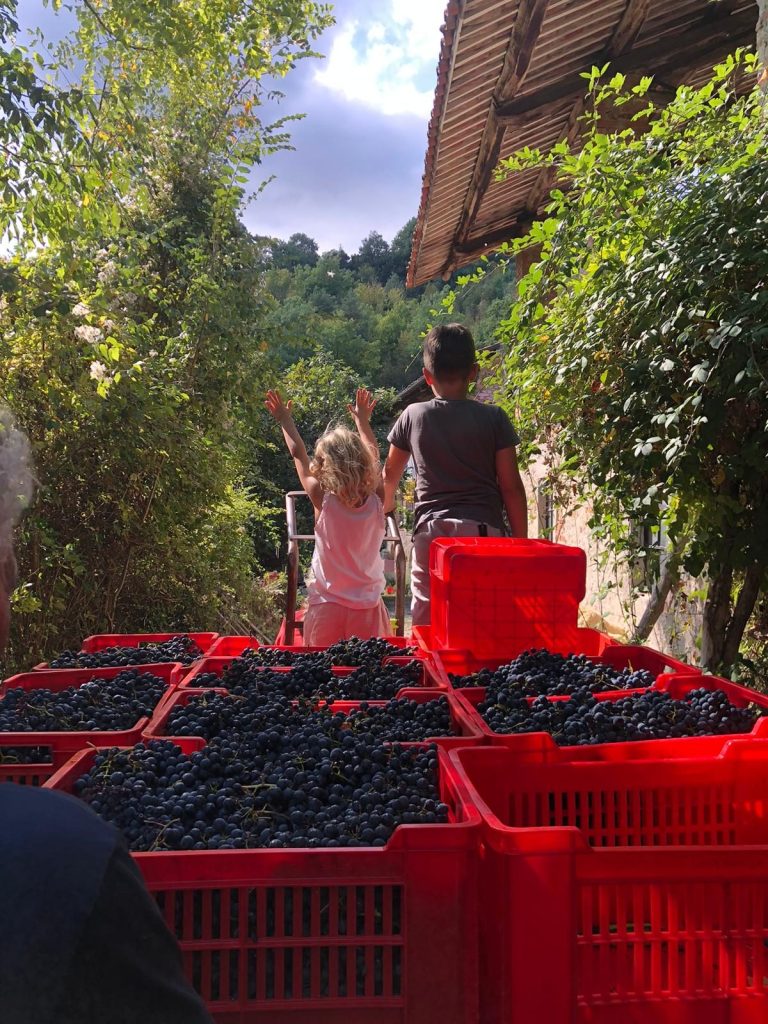
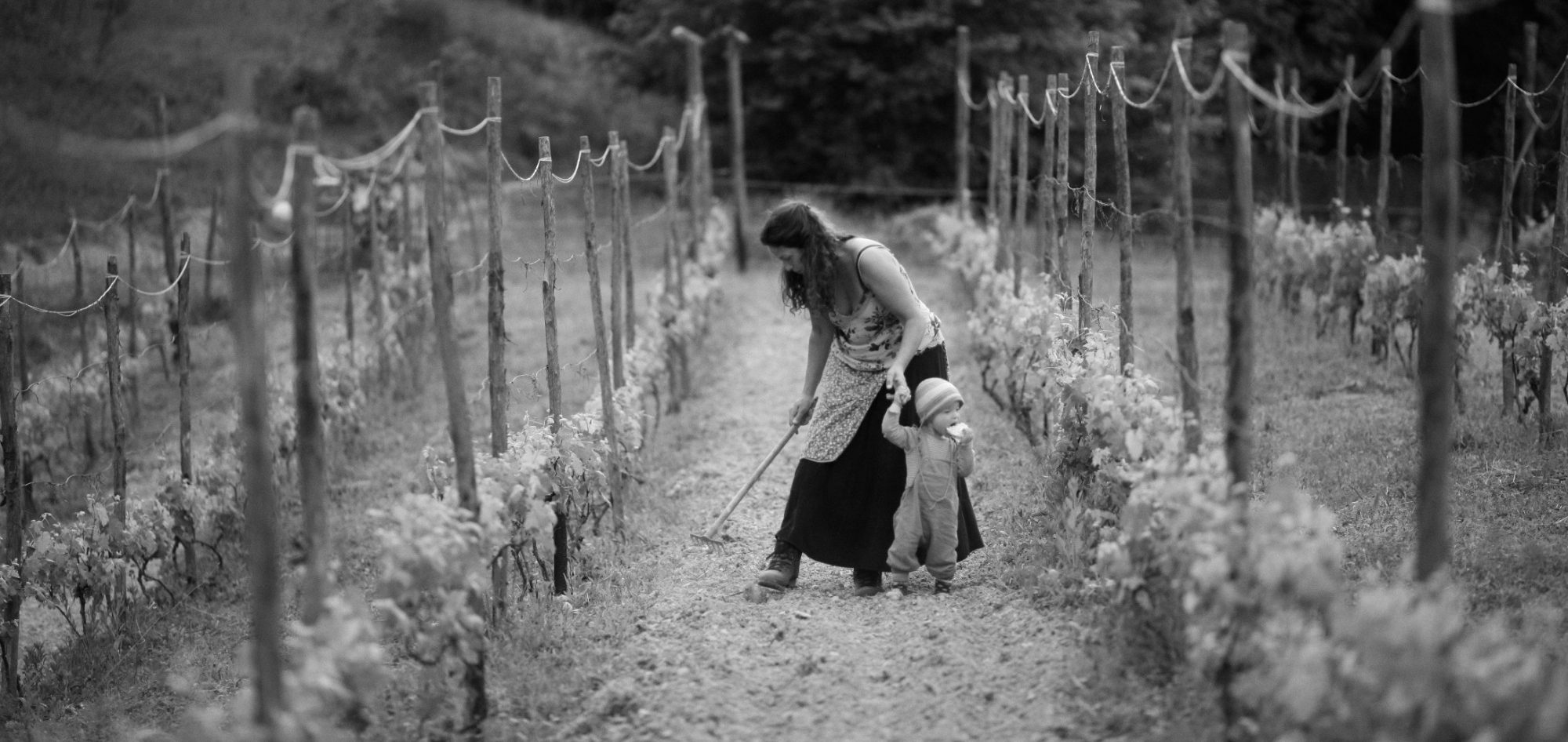
From Fausto Cellario I learned the pre-fermentation method: it uses a negligible amount of sulphur, thus killing two birds with one stone. Fermentation then proceeds using your own authentic, now dominant material, while wild yeasts have already been eliminated before everything is added to the must. The grapes for this pre-fermentation are crushed here at home, by thoroughly scrubbed children’s feet (no soap!).
La Strellas' natural Barbera
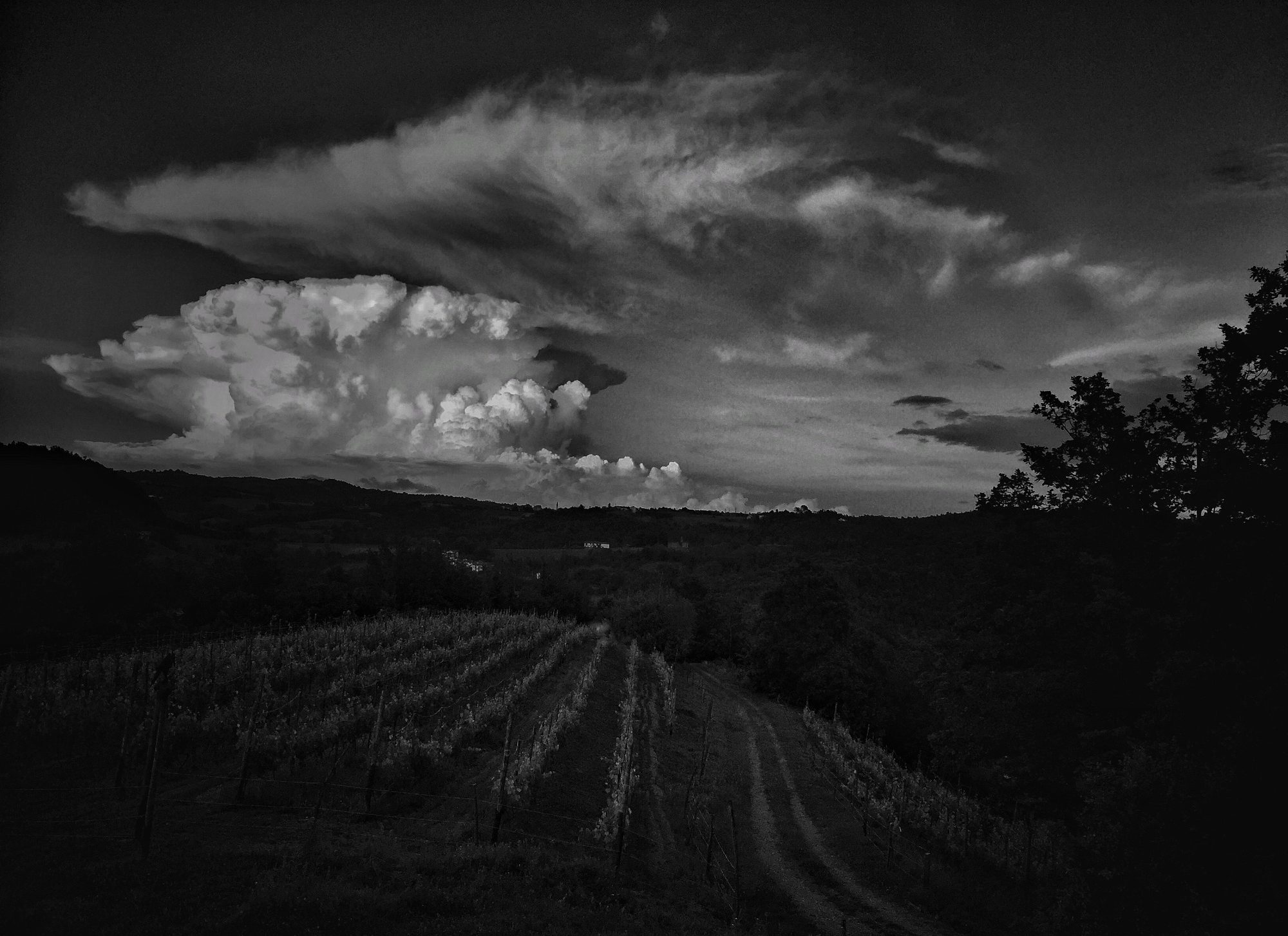
Our Barbera grows at around 500 meters altitude in the hills near Ceva, on soils rich in blue marl. The elevation and cool nights preserve freshness and precision in the fruit, while the marl soils contribute tension and structure to the wine.
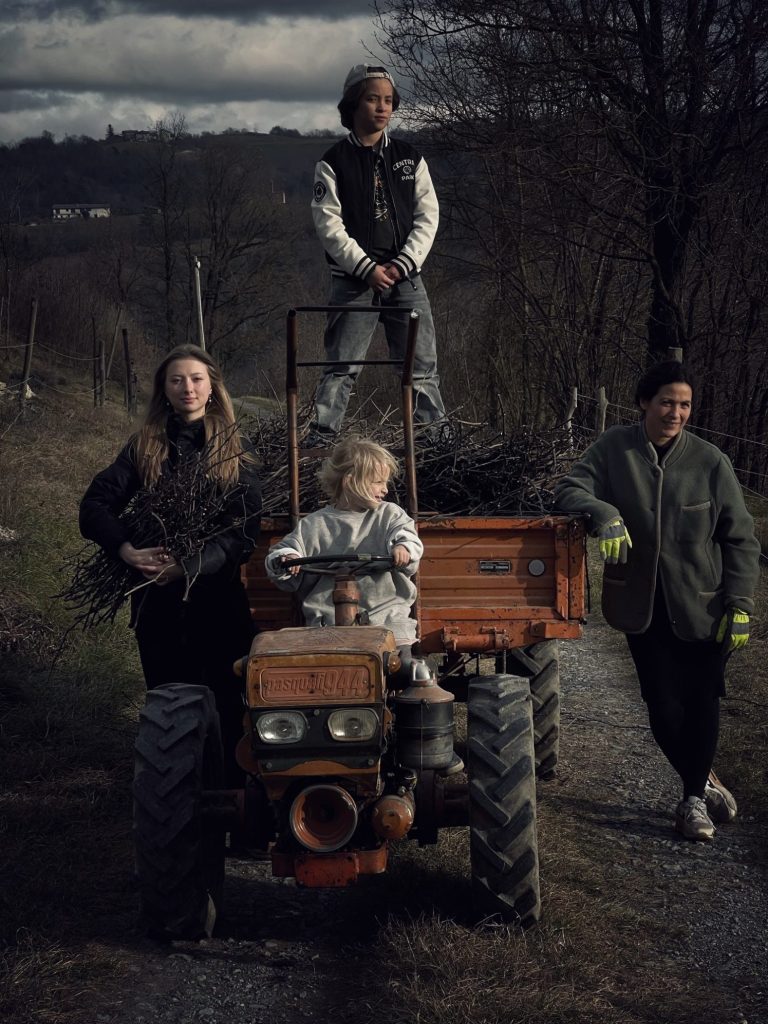
This is a part of Piemonte that lies just outside the polished heart of the Langhe — a landscape that feels a little wilder and less scripted. We try to respect that character in the cellar. Fermentations begin with a spontaneous prefermentation and continue with native yeasts, while sulfur additions are kept to a minimum.
The aim is not power but clarity: a Barbera that is vertical, vibrant and transparent to its place. Bright acidity, dark red fruit and a subtle mineral backbone define the wine
Vigna del Bricco
The work in the vineyard and the work in the wine cellar are two very different activities.
One takes place above ground, the other below, on the same characteristic Langhe hill against which the farmhouse was strategically built hundreds of years ago. Old maps and notarial records show that the land once consisted of a patchwork of adjoining vineyards, bordered by chestnut groves and pastureland for livestock.
Traditionally, the vineyards bore melodious names such as Gogò, Faya, Vigna nell Ripa, del Aia, del Suri, and finally Vigna del Bricco — the only one that still exists today. It lies on the crest of a rounded hill, a geological formation known locally as a “donkey’s back
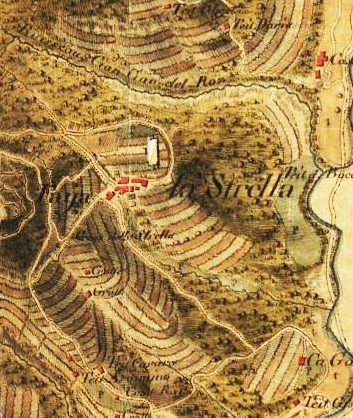
La Strellas' vineyards - Ceva - year 1796
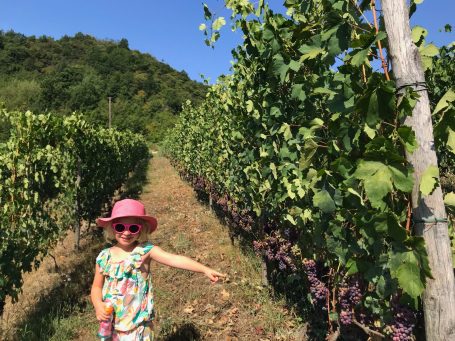
'The dancing vineyard'
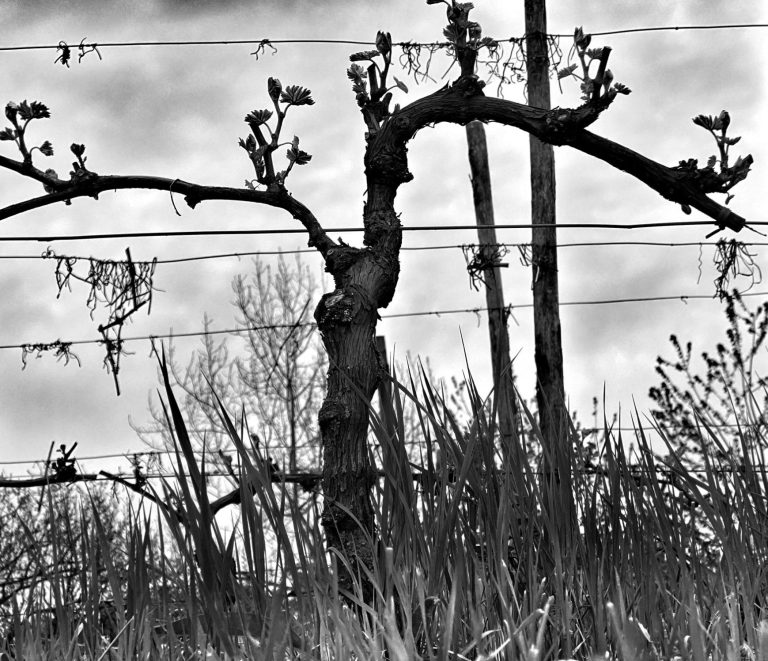
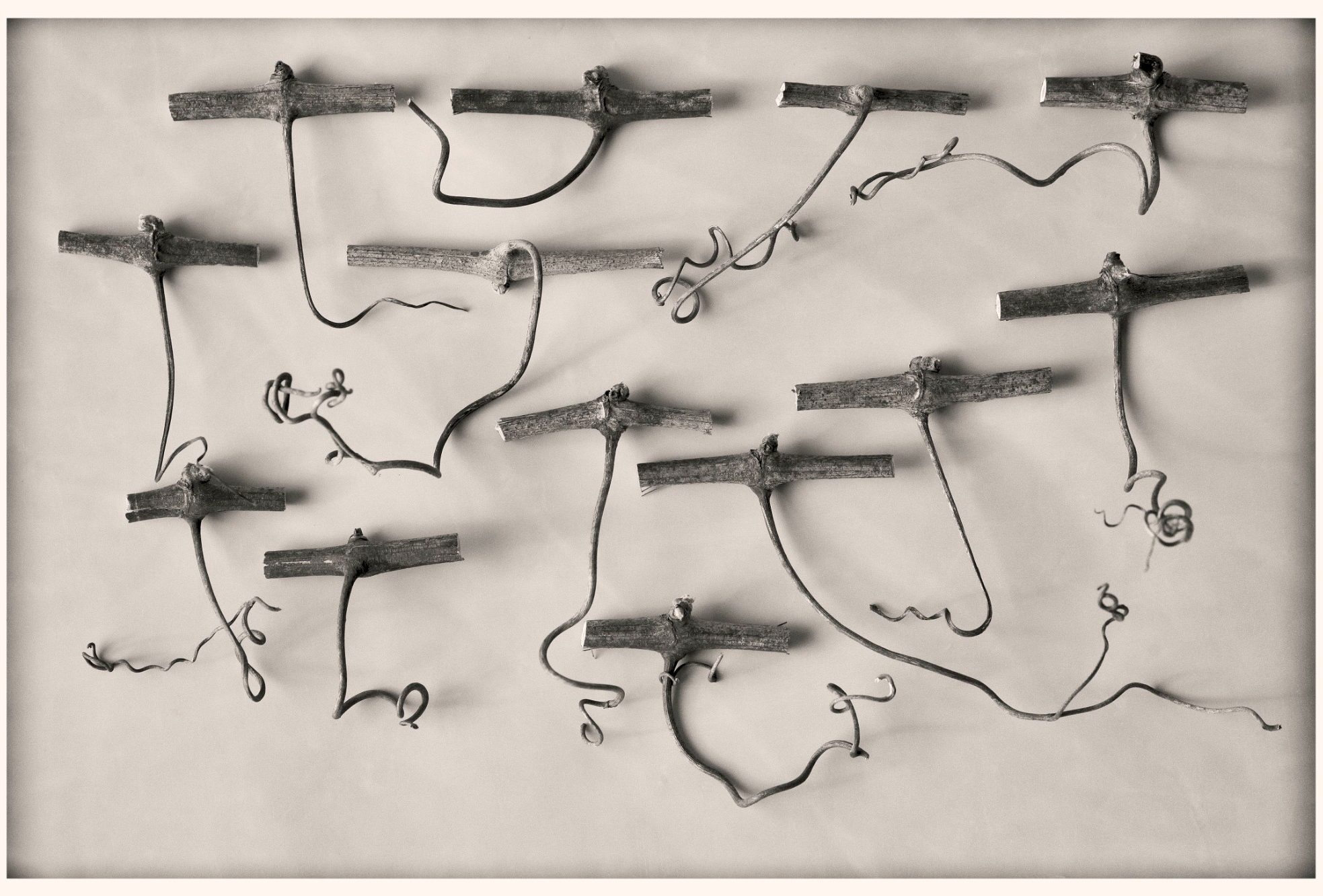
Each season calls for a different wardrobe. Unlike people, these Barbera vines shed all covering and embrace nakedness as soon as winter arrives. Every season also brings its own work. Winter pruning is of vital importance: it influences not only the coming harvest, but also that of the following year.
I continue to learn, and especially with the changing climate it makes sense to keep deepening one’s understanding of pruning methods. Tradition and practice are closely intertwined, yet under today’s conditions some approaches suddenly prove outdated — while a method from the past may turn out to be better after all than a commercial trend that has dominated the last twenty years.
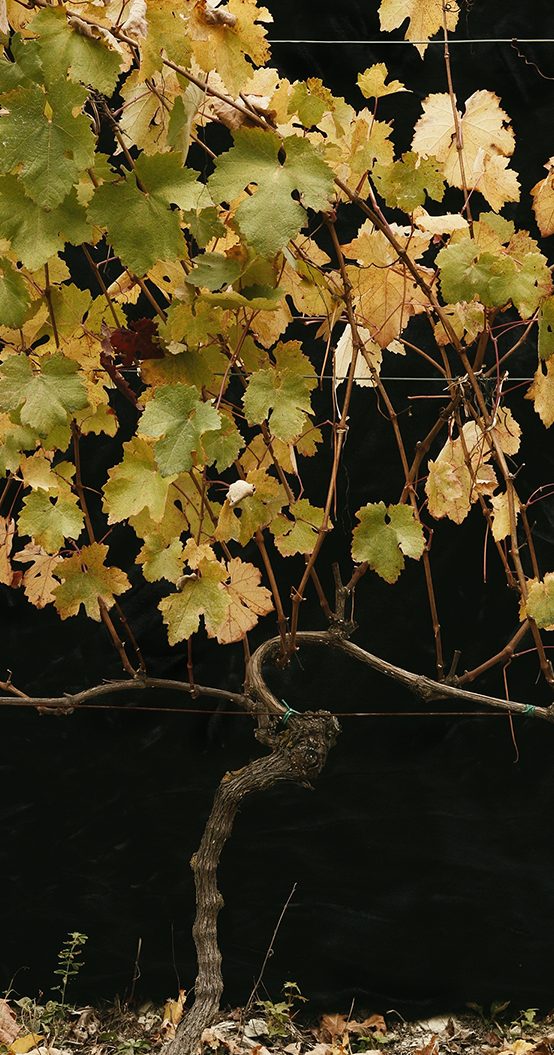
Naive and full of overconfidence, I once began something I was far from mastering. Over time, I learned to understand the vineyard. But some mistakes could no longer be undone. Where an experienced vignaiolo ties young vines to straight steel rods, I gave mine free rein. The result was gnarled, idiosyncratic, dancing vines — especially visible in winter. I have grown fond of this lush wildness.
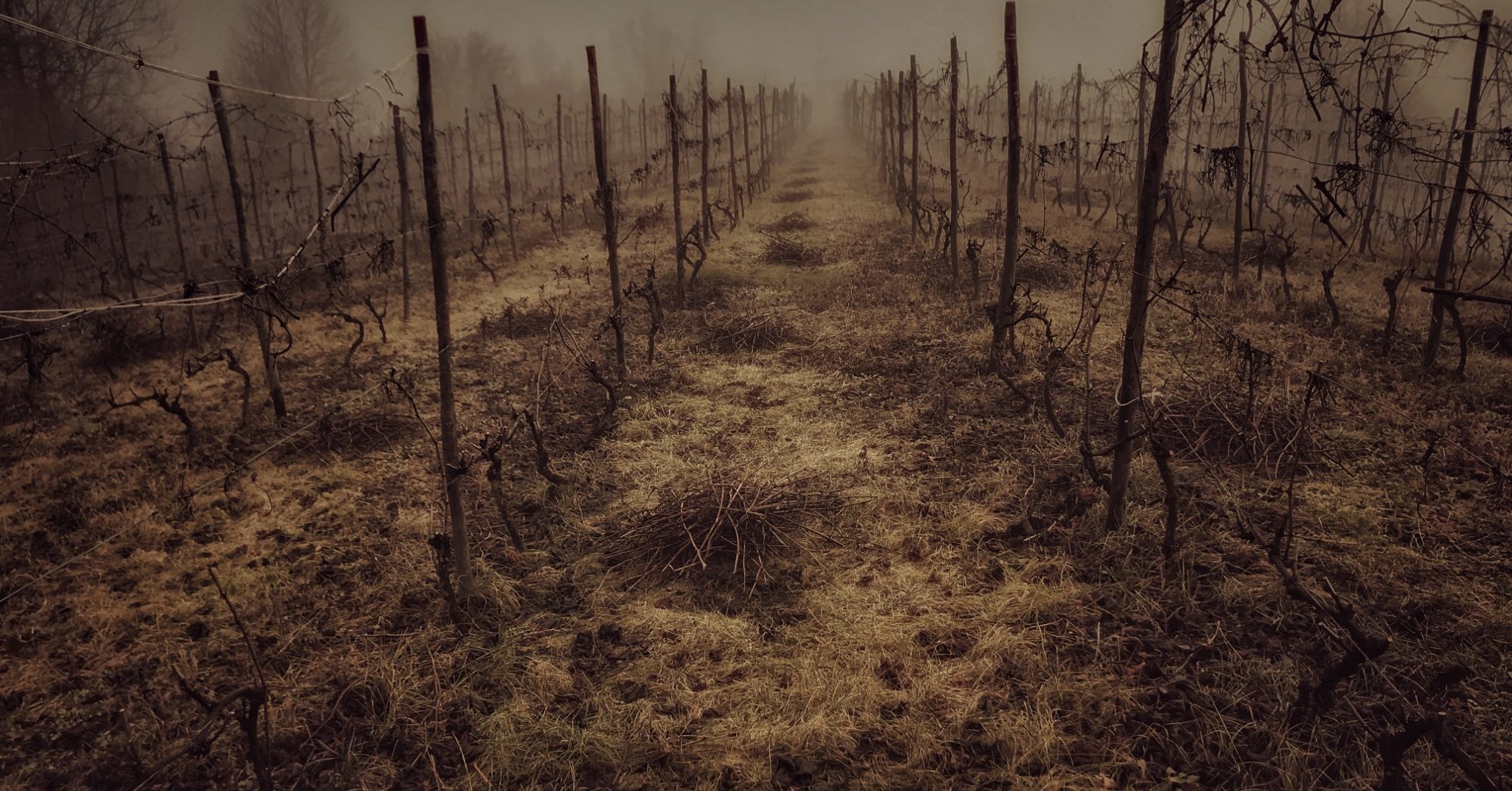
Dancing vines while winterpruned
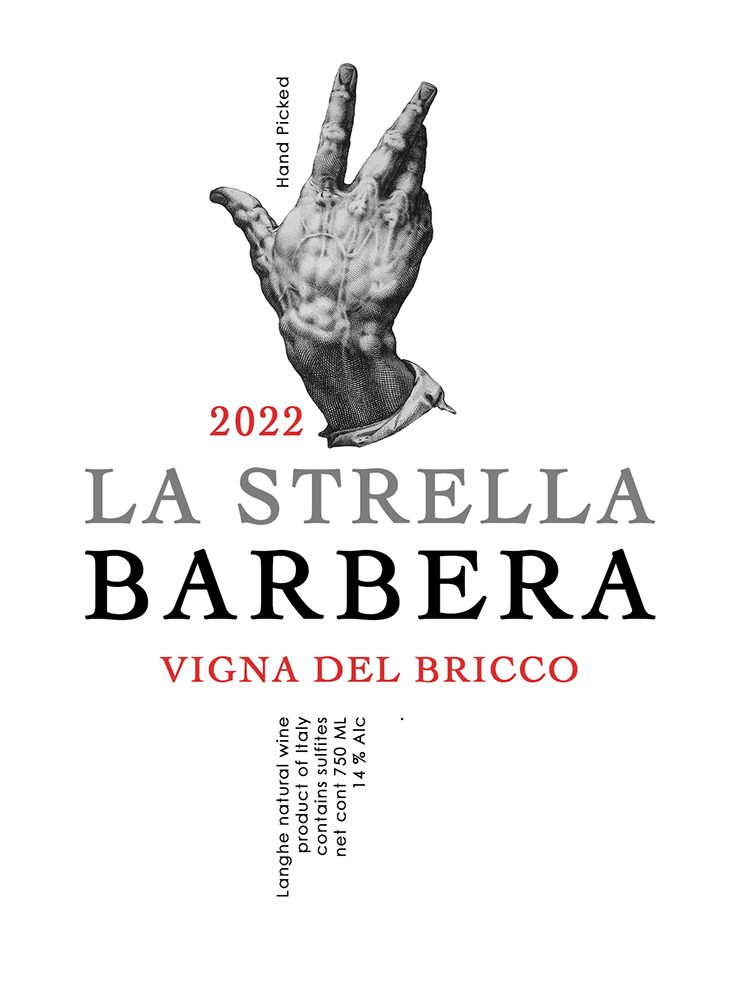
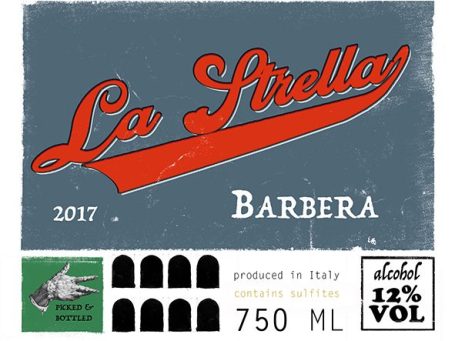
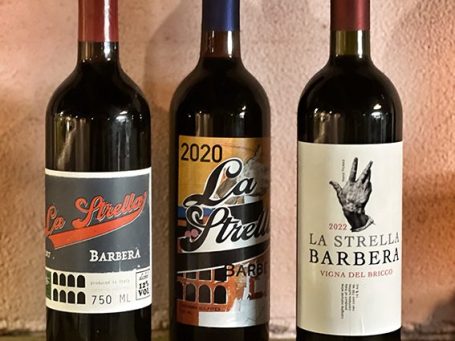
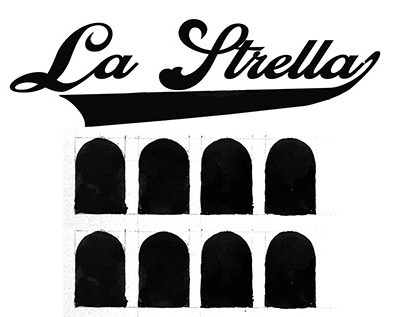
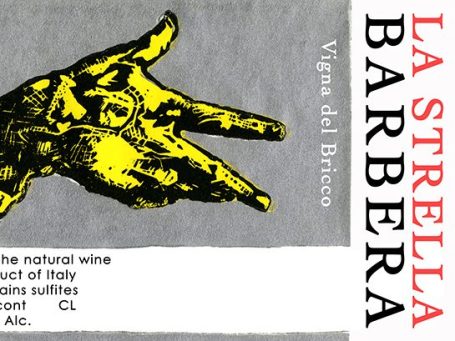
A wine Label in Evolution..
A bottle is worthless once there is no wine left inside. And no matter how beautiful a label may be, it has no influence whatsoever on the quality of the wine it conceals. A newly purchased bottle lies or stands still; only when the cork is pulled does its short, diagonal life begin. And then it is over.
The last label I designed takes into account both the standing and the lying of the bottle—that felt logical to me. My wine is still evolving year by year; it wouldn’t be right for it to wear the same label every year. Their evolutions unfold in parallel.